
Pest Control In Claymont — Same Day Claymont Exterminators
Need fast and reliable pest control in Claymont, DE? Delaware Pest Pros provides same-day extermination for ants, rodents, termites, bed bugs, and more. Our Claymont pest control experts deliver safe, eco-friendly treatments with guaranteed results for homes and businesses across the area.


Pest Control Costs in Claymont: What You Can Expect to Pay
The average cost of pest control in Claymont, DE typically ranges from $170 to $320 for standard residential services. As part of the greater New Castle County area near Wilmington, pricing in Claymont reflects nearby city trends where pest control projects often range between $280 and $409 on average, depending on infestation severity and property size.
| Service | Average Cost |
|---|---|
| Ant Control | $170 – $310 |
| Rodent Control | $220 – $370 |
| Spider Control | $150 – $270 |
| Cockroach Control | $170 – $290 |
| Termite Control | $450 – $1,050 |
| Bed Bug Treatment | $320 – $650 |
| Mosquito Control | $200 – $360 |
| Wasp & Hornet Removal | $140 – $260 |
| Flea & Tick Control | $170 – $290 |
| Commercial Pest Control | $400 – $780 (depending on property) |
| General Pest Inspection | $100 – $180 |
Your Local Claymont Pest Control Experts
Claymont is unlike any other Delaware community. It sits at the northeastern tip of the state. The Delaware River runs along its eastern edge. SEPTA rail lines and I-95 cut through its center. Philadelphia sits twelve miles north. This is not a suburban community with farmland borders. Claymont is a dense, older industrial-residential community with mid-century rowhouses, aging infrastructure, and a waterfront character that creates a pest environment entirely its own.
The Delaware River tidal corridor drives persistent moisture into Claymont's older foundations. Aging cast-iron sewer infrastructure beneath the historic street grid creates cockroach and rat entry points that newer communities simply do not have. Dense rowhouse construction allows bed bugs and cockroaches to spread between connected units rapidly. The industrial corridor along the river waterfront generates rodent pressure that pushes into residential neighborhoods year-round.
We know Claymont's pest environment specifically. We know that a rowhouse on Darley Road faces completely different pest pressures than a newer development near Green Ridge Road. We build every treatment plan around those realities.
Pests We Control And Exterminate In Claymont

Rodent Control Claymont (Mice & Rats)
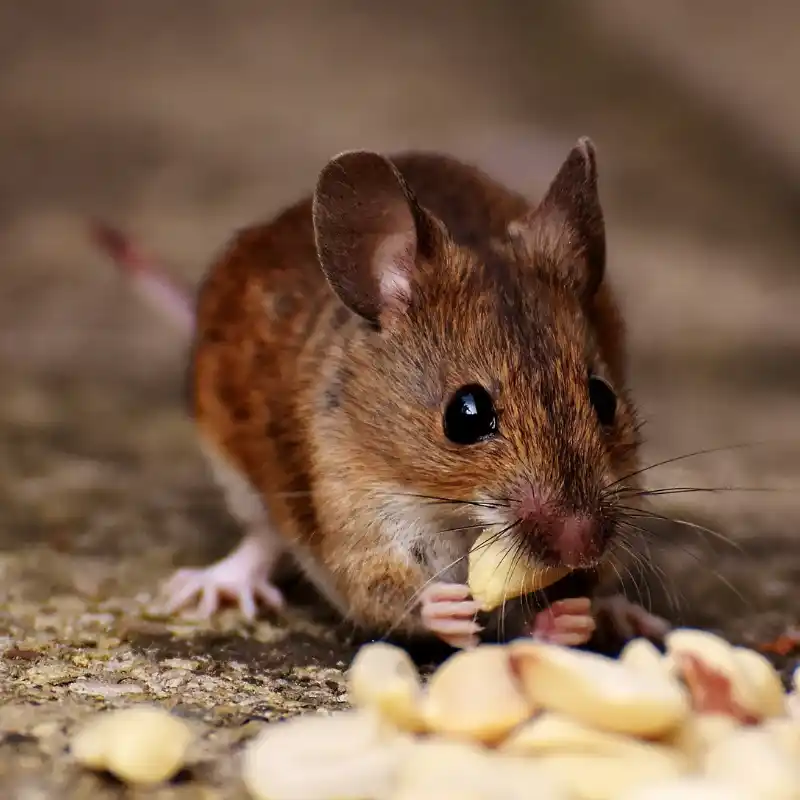
Claymont’s rodent pressure comes from two distinct sources. Norway rats are well established along the Delaware River tidal waterfront. They access residential properties through tidal bank routes, aging sewer infrastructure, and utility corridor gaps beneath Claymont’s older street grid. House mice enter through the multiple structural gaps common in mid-century rowhouse construction throughout the historic neighborhoods on Darley Road and Manor Avenue. Both species are active year-round. Neither follows a seasonal agricultural migration pattern.
Why Claymont's Urban Rodent Problem Is Different
Field mice in suburban communities follow crop harvest cycles. Claymont’s rodent pressure is urban and tidal. Norway rats from the Delaware River waterfront use Claymont’s aging sewer network as a travel corridor. They surface through failing drain seals and utility penetrations beneath older properties. This requires a completely different treatment approach than standard suburban rodent exclusion. Sealing foundation gaps alone does not solve a sewer-driven Norway rat problem.
Our Rodent Control Solution in Claymont
We identify the specific entry pathway driving your infestation before any treatment begins. Waterfront-adjacent properties get Norway rat programs with exterior station networks along the tidal zone transition and sewer penetration sealing assessments. Rowhouse properties on the historic street grid get structural exclusion programs targeting the shared foundation walls and utility penetrations common in mid-century construction. Every service includes follow-up visits to confirm complete elimination.
Long-Term Rodent Prevention in Claymont
Prevention in Claymont means addressing the urban infrastructure reality. We assess sewer drain seal conditions in older properties near the river corridor. We identify shared wall utility penetrations in rowhouse blocks. We provide exterior gap sealing using professional-grade materials rated for Claymont’s high-moisture tidal zone environment. Annual exclusion inspections are standard for every Claymont property in our recurring program.
Termite Treatments Claymont
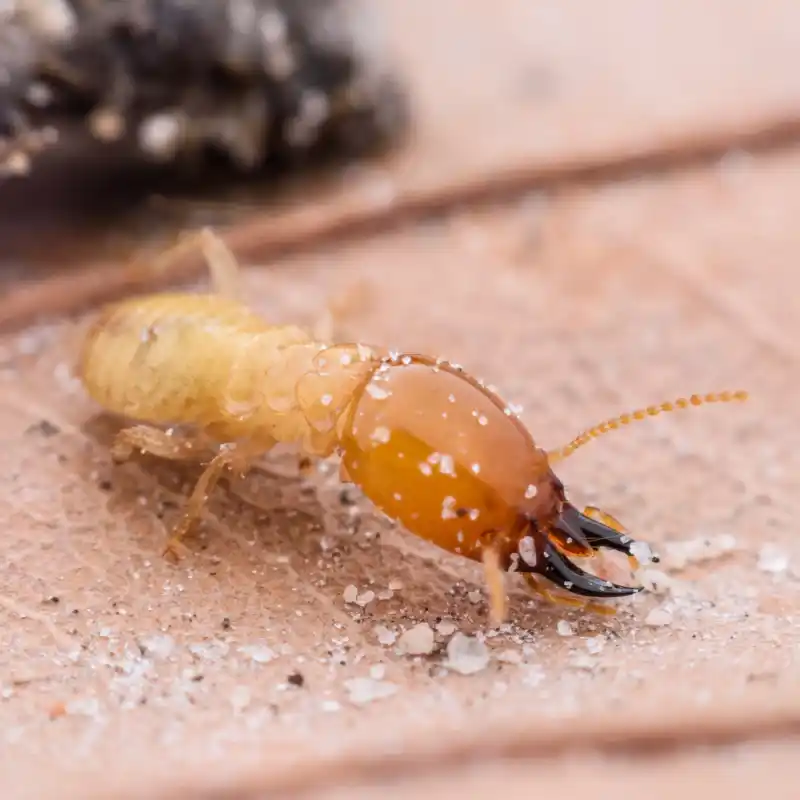
The Delaware River tidal influence keeps Claymont's soil persistently moist. Tidal fluctuation wicks moisture into foundation soil continuously. Subterranean termite colonies thrive in these conditions. Properties near the river waterfront on Philadelphia Pike and Manor Avenue sit on soil that never fully dries. Older wood-frame rowhouses throughout the historic street grid have crawl spaces and pier foundations with minimal separation between structural wood and permanently saturated ground.
What Claymont's Tidal Soil Means for Termite Risk
Termite colonies in Claymont’s tidal zone soil stay active later into fall and reactivate earlier in spring than in inland Delaware communities. The combination of persistent moisture and aging wood-frame construction creates termite damage potential that accumulates quietly for years. Many Claymont rowhouses have never received professional termite treatment. Active damage in crawl spaces and pier foundations is discovered regularly during renovation work on properties throughout the historic district.
Long-Term Termite Protection in Claymont
Annual monitoring visits are essential for every Claymont property near the Delaware River tidal influence zone. We inspect mud tube activity in crawl spaces at every visit. We flag moisture conditions amplifying termite risk — failed gutters, landscape grade directing water toward foundations, inadequate crawl space vapor barriers. Properties nearest the riverfront receive bi-annual monitoring given the elevated soil saturation in that zone.
Keeping Your Smyrna Home Termite-Free Long Term
Annual monitoring visits catch new mud tube activity before colonies establish. We document every inspection. We flag moisture conditions that are elevating your termite risk. Properties near Duck Creek and the Smyrna River get more frequent monitoring intervals given the elevated soil saturation levels throughout the year.
Bed Bug Extermination Claymont
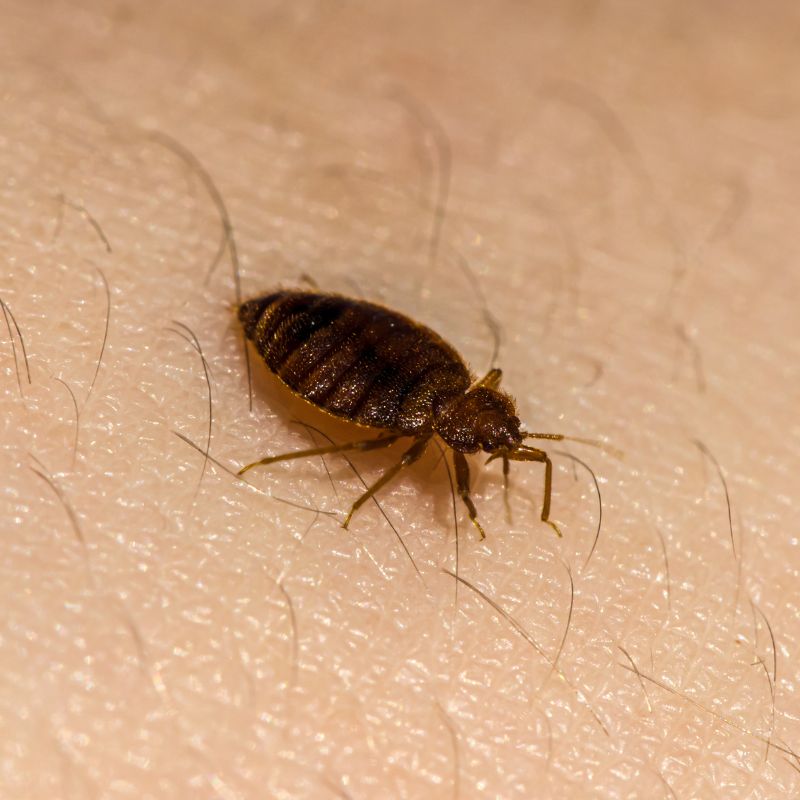
Claymont's proximity to Philadelphia and its SEPTA rail connection create bed bug introduction pathways that most Delaware communities do not face. Frequent commuter travel, regional transit use, and the dense rental housing stock throughout Claymont's mid-century rowhouse neighborhoods create some of the highest bed bug introduction and spread risk in northern New Castle County. Shared walls in rowhouse blocks allow bed bugs to travel between units without anyone carrying them. A single untreated unit reinfests treated neighbors within weeks.
Why Claymont's Rowhouse Blocks Require a Different Approach
Standard single-unit bed bug treatment fails consistently in Claymont’s connected rowhouse environment. Bed bugs travel through shared wall voids, shared utility chases, and interconnected basement spaces between adjacent units. Treating one unit while neighboring units remain uninspected allows immediate reinfestation. Building-wide assessment is not optional in Claymont’s rowhouse blocks. It is the only approach that produces lasting results.
Heat & Chemical Treatment for Claymont Rowhouses
Heat treatment eliminates every bed bug life stage in a single session. It penetrates shared walls, plaster construction, and the dense furniture common in Claymont’s older rowhouse residences. Chemical residual application follows for extended wall void protection. Pre-treatment preparation guidance is provided in advance. Follow-up confirmation visits are always scheduled.
Coordinated Treatment Across Connected Units
For rowhouse blocks on Darley Road, Manor Avenue, and throughout Claymont’s historic neighborhoods we offer coordinated multi-unit inspection and treatment programs. We work with landlords and property managers discreetly. All documentation is provided for compliance and liability purposes. We do not consider a Claymont bed bug job complete until every connected unit has been assessed.
Ant Control Claymont
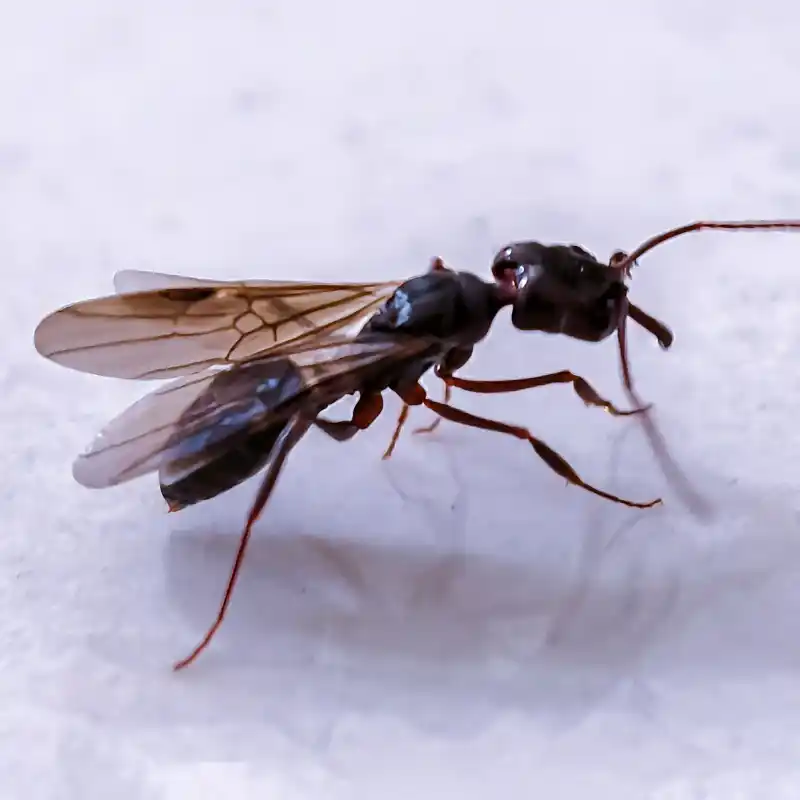
Carpenter ants and odorous house ants are the two dominant ant species causing problems in Claymont. Odorous house ants follow moisture trails into kitchens throughout the historic rowhouse district every spring. Delaware River tidal moisture creates ideal moisture trail conditions beneath Claymont's older slab and crawl space foundations throughout the wet season. Carpenter ants target the moisture-damaged wood common in Claymont's aging rowhouse construction — particularly in window frames, porch structures, and the exterior wood trim that receives minimal maintenance on older rental properties throughout the historic street grid.
Carpenter Ants in Claymont's Aging Rowhouse Stock
Claymont’s mid-century rowhouses have a high concentration of deferred maintenance moisture damage. Failed window caulking, cracked exterior trim paint, and damaged porch framing create moisture-trapping conditions that carpenter ant queens target for satellite nest establishment. We find active galleries in exterior window header assemblies, porch column bases, and attic rafter zones near damaged roof sections on Claymont rowhouse properties regularly. These locations are never inspected during a standard spray treatment.
Colony Elimination in Claymont's Connected Properties
Non-repellent bait systems eliminate the entire colony network. Worker ants carry bait back to every satellite nest and the primary queen. Exterior perimeter barrier prevents re-entry from adjacent properties and tidal zone woodland edges along the Delaware River corridor. Treatment coordination with adjacent units is recommended when carpenter ant activity is identified in shared porch structures or connected attic spaces in Claymont rowhouse blocks.
Preventing Ant Re-Entry in Claymont's Urban Environment
Moisture management in Claymont’s rowhouse stock requires addressing the specific deferred maintenance conditions driving ant activity. We identify failed window caulking, cracked exterior trim, and porch structure moisture traps specific to your property. We provide targeted recommendations that reduce carpenter ant harborage without requiring complete renovation of Claymont’s historically significant rowhouse architecture.
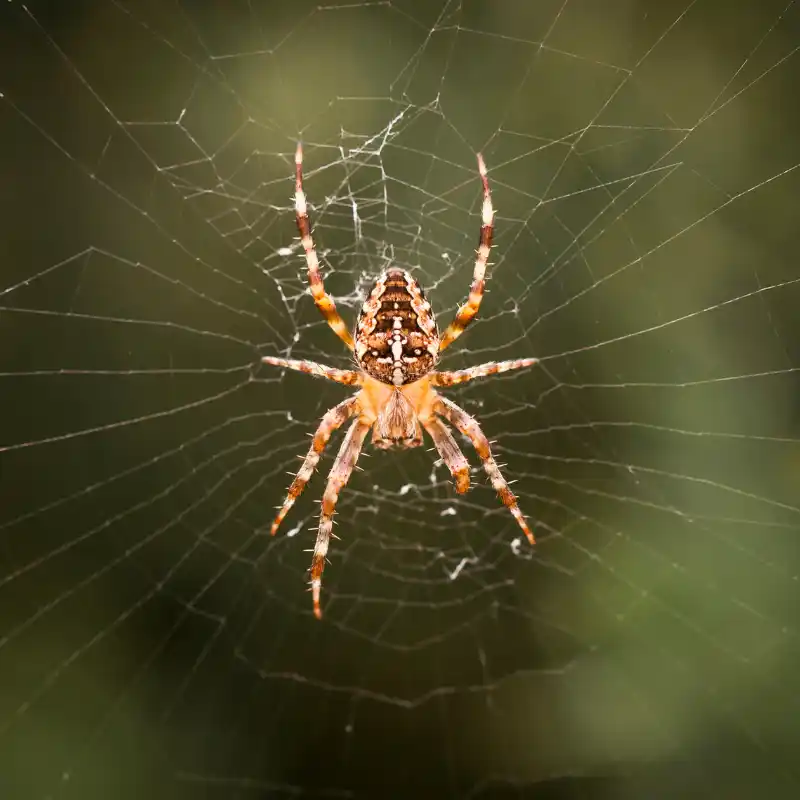
Spider Control Claymont
Claymont's Delaware River waterfront position generates flying insect populations from the tidal zone that sustain large spider populations throughout the residential neighborhoods. Older rowhouse properties on Darley Road and Philadelphia Pike have aging structural gaps, basement access points, and crawl space zones that provide ideal interior spider harborage throughout the year. Black widows are confirmed in Claymont — particularly in undisturbed basement storage areas and exterior utility structures near the Delaware River waterfront corridor.
Spider Pressure in Claymont's Older Rowhouse Basements
Claymont’s mid-century rowhouses have basement and sub-basement spaces that often go undisturbed for extended periods. These create ideal black widow harborage conditions. Cellar spiders dominate the damp basement environments common throughout Claymont’s older housing stock. Yellow sac spiders establish behind wall fixtures and inside the extensive wall void networks in plaster construction throughout the historic neighborhoods.
Interior & Exterior Spider Elimination
Full web and egg sac removal precedes residual pesticide application in all harborage zones. Crack-and-crevice treatment targets basement and sub-basement spaces where black widows concentrate. Exterior perimeter barrier creates a chemical boundary along the Delaware River-facing foundation edges where tidal insect emergence drives spider activity.
Keeping Claymont Properties Spider-Free
Perimeter barrier reapplication every spring and fall addresses continuous tidal zone spider pressure. We provide guidance on basement organization and storage practices that reduce undisturbed black widow harborage. Exterior lighting management reduces the tidal insect populations sustaining spider activity near Claymont’s waterfront properties throughout the year.
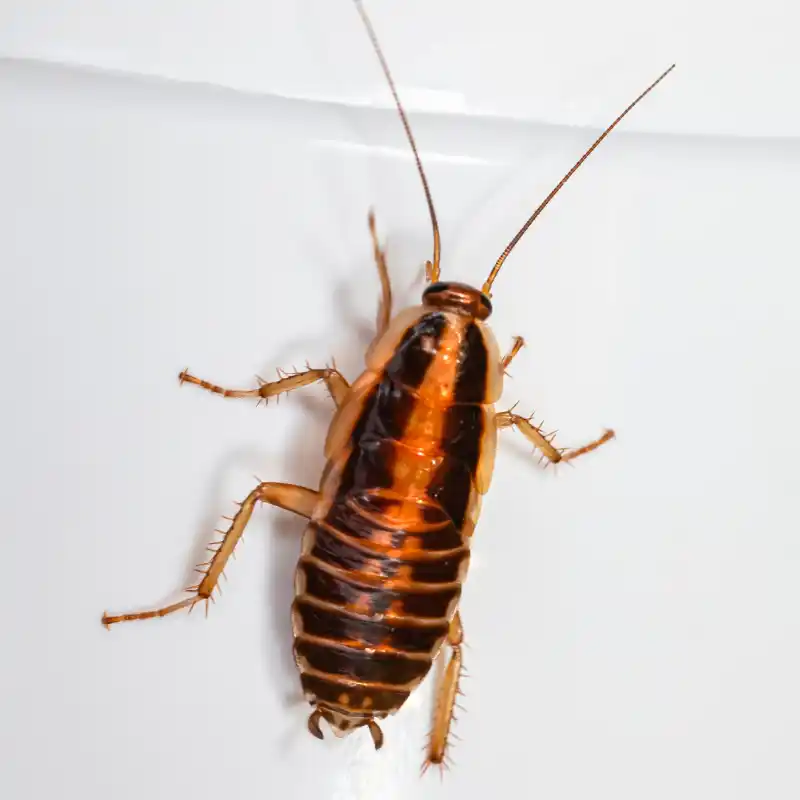
Cockroach Extermination Claymont
Cockroaches are Claymont's most persistent urban pest problem. German cockroaches arrive through food delivery and grocery packaging. They establish rapidly in Claymont's older rowhouse kitchens and bathrooms. American cockroaches are a far more serious problem in Claymont than in most Delaware communities. Aging cast-iron sewer infrastructure beneath the historic street grid has deteriorated significantly in many areas. Cracked sewer pipes and failing drain seals create permanent American cockroach entry pathways beneath properties throughout the historic district on Darley Road, Manor Avenue, and Philadelphia Pike.
Why American Cockroaches Are Claymont's Most Serious Cockroach Problem
American cockroaches in Claymont are not occasional visitors. They are permanent residents of the aging sewer network beneath the historic street grid. Every property connected to deteriorating sewer infrastructure faces ongoing American cockroach pressure from below. Standard surface spray treatment does not solve a sewer-driven cockroach problem. Drain seal assessment and infrastructure gap treatment are essential components of every Claymont cockroach service.
Breaking the Cockroach Cycle in Claymont
Gel bait application in all harborage zones eliminates German cockroaches at the reproductive source. American cockroach control requires drain seal assessment, sewer penetration sealing, and targeted treatment of the infrastructure gaps driving entry from below. Insect growth regulator disrupts the reproductive cycle for both species. Multiple visits follow every initial treatment.
Long-Term Cockroach Prevention in Claymont
We assess sewer drain seal condition and foundation utility penetrations at every Claymont cockroach service. We document entry points and infrastructure gaps identified during inspection. For rowhouse blocks with shared utility connections we assess adjacent unit exposure and recommend coordinated treatment programs. Ongoing monthly monitoring is strongly recommended for older Claymont properties near the historic sewer infrastructure corridor.
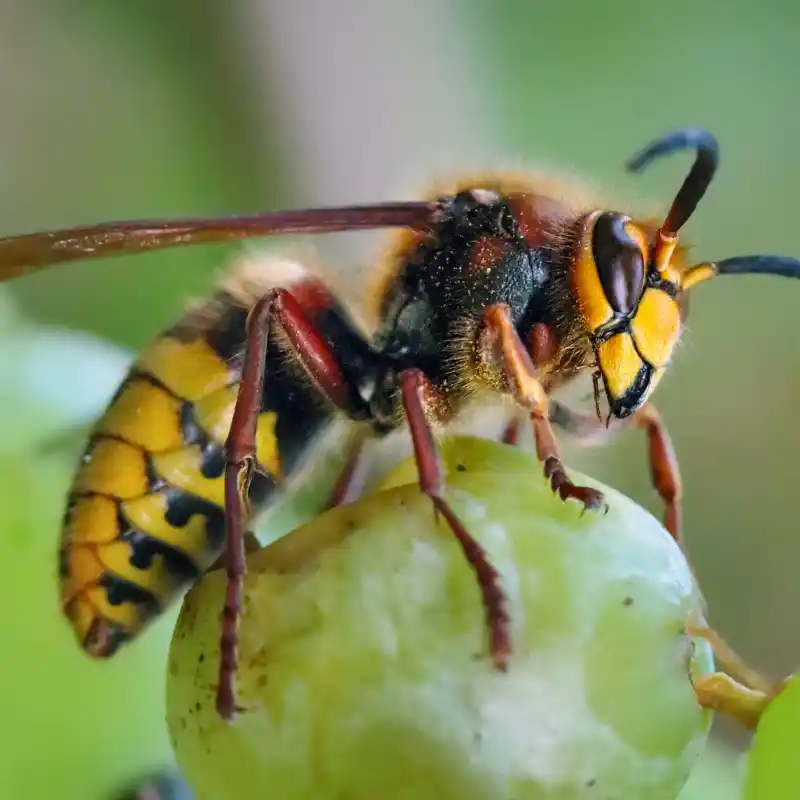
Wasp & Hornet Control Smyrna
Wasps and hornets in Claymont establish primarily in the architectural cavities of mid-century rowhouse construction rather than in woodland canopy. Paper wasps colonize the gaps in Claymont's aging rowhouse eaves, deteriorating fascia boards, and damaged soffit sections throughout the historic district. Yellow jackets establish ground nests in the unmaintained lots and overgrown areas common in Claymont's urban landscape. Bald-faced hornets build aerial nests in the mature street trees along Philadelphia Pike and Darley Road that provide canopy nesting sites throughout the summer season.
Nest Sites Specific to Claymont's Urban Rowhouse Environment
Claymont’s rowhouse architecture creates nesting opportunities that rural and suburban communities do not have. Deteriorating eave sections, damaged soffit panels, and gaps in aging fascia boards provide sheltered cavities that paper wasps colonize throughout the block. A single nest in a shared eave section can affect multiple adjacent rowhouse units simultaneously. Identifying and treating the shared architectural nest site — not just the visible entry point — is essential for lasting results in Claymont’s connected rowhouse environment.
Safe Removal Across Claymont's Urban Properties
Paper wasp colonies in rowhouse eave gaps receive direct nest saturation with targeted aerosol application. Yellow jacket ground nests in urban lots require nighttime dust injection with sealed entry treatment. Aerial hornet nests in Philadelphia Pike street trees require extension pole application equipment and full protective gear. All nest material is removed after knockdown. Same-day service is available for urgent situations.
Preventing Seasonal Wasp Return in Claymont
Deteriorating rowhouse architectural details are the primary seasonal wasp nesting driver in Claymont. We identify specific eave gaps, soffit damage, and fascia board failures creating nesting opportunities on your property. We recommend targeted repair priorities that reduce nesting sites without requiring complete exterior renovation. Early spring preventive treatment disrupts queen establishment before colonies grow.
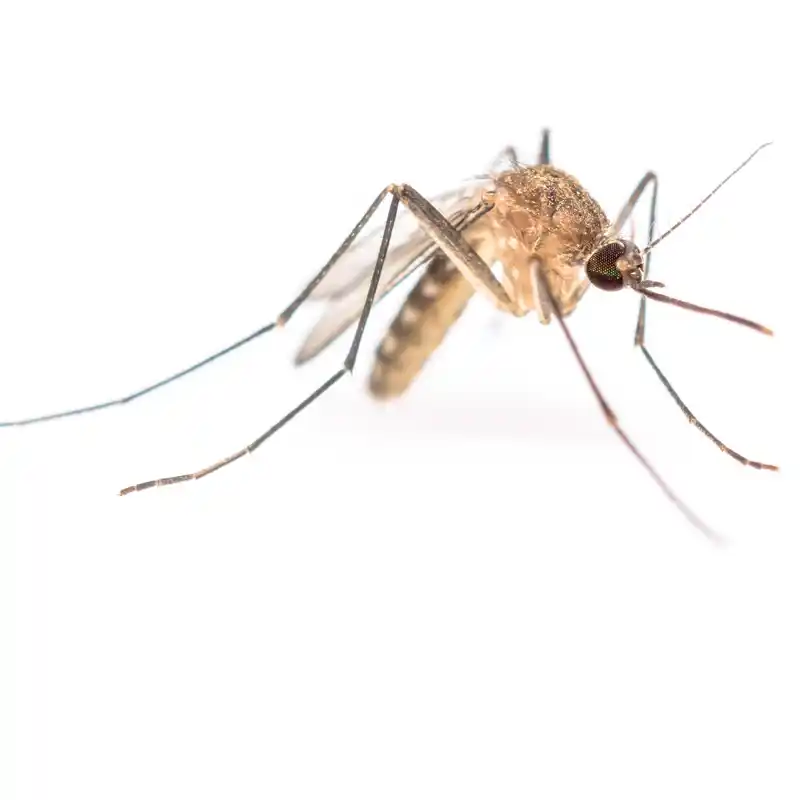
Mosquito Control Claymont
Claymont's Delaware River waterfront position creates mosquito breeding conditions that are distinct from inland Delaware communities. Tidal wetland areas along the river's edge sustain standing water regardless of rainfall patterns. The Naamans Creek corridor at Claymont's northern border adds a secondary breeding source. Properties near the waterfront on Philadelphia Pike and Manor Avenue face mosquito emergence from the tidal zone that peaks in intensity during the June and August tidal emergence periods.
Why Claymont's Waterfront Creates Extended Mosquito Pressure
Tidal wetlands do not dry out during summer heat. The Delaware River tidal cycle continuously refreshes standing water in the wetland margins along Claymont’s waterfront. This creates a persistent mosquito source that residential standing water larvicide treatment alone cannot address. Waterfront properties need barrier spray programs scaled to continuous adult mosquito pressure from the tidal emergence zone throughout the full season.
Barrier Treatments for Claymont's Urban Properties
Our Claymont mosquito program applies targeted barrier sprays to all resting zones — fence lines, foundation plantings, basement window well vegetation, and any green space adjacent to the Delaware River tidal zone. Larvicide application targets standing water in gutters, drainage areas, and any low-lying hardscape features common in Claymont’s urban residential landscape. Treatments are scheduled every 21 days throughout the full season.
Keeping Claymont Outdoor Spaces Usable
Patio spaces, backyard areas, and outdoor gathering zones in Claymont deserve professional mosquito protection throughout the full season. Our program runs from late April through October. We advise on drainage improvements and vegetation management specific to Claymont’s urban waterfront properties that reduce mosquito harborage between treatment cycles.
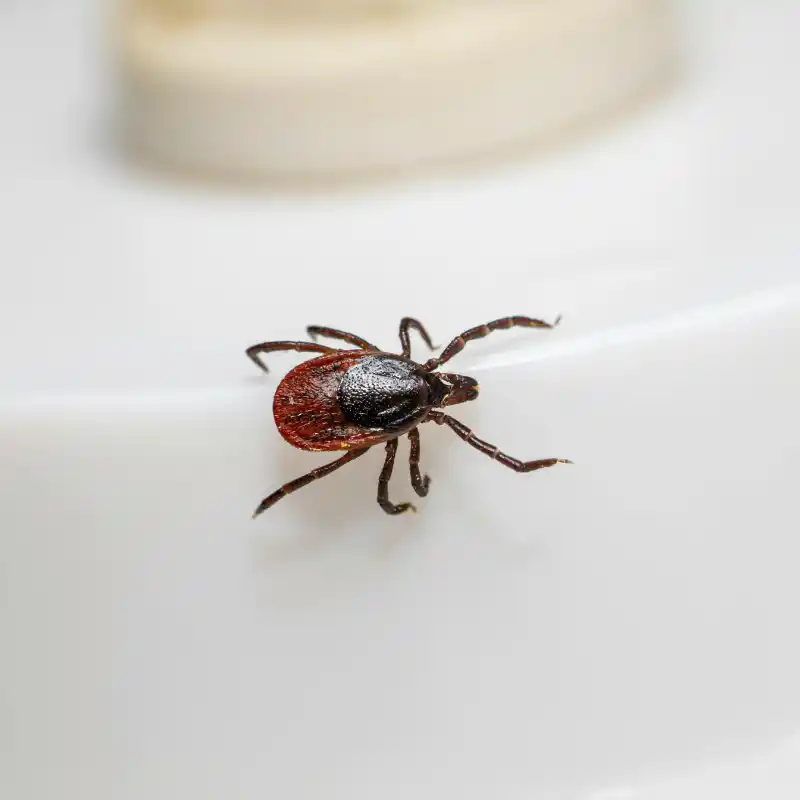
Flea & Tick Treatments Claymont
Fleas and ticks reach Claymont through a different pathway than rural Delaware communities. Urban wildlife — raccoons, opossums, and feral cats — are the primary flea introduction sources in Claymont's dense urban neighborhoods. These animals move through Claymont's alleys, vacant lots, and utility corridors year-round. They deposit fleas in basement access points, crawl spaces, and exterior foundation areas before pets or residents ever encounter them. Black-legged ticks are present in Claymont's green corridor spaces along Naamans Creek and the Delaware River waterfront parks.
Urban Wildlife as Claymont's Primary Flea Source
Flea infestations in Claymont rowhouses are frequently traced to urban wildlife access through basement windows, crawl space vents, and foundation gaps — not from pets that spend time outdoors. Raccoon and opossum activity beneath Claymont’s older rowhouses deposits flea populations in crawl space soil that then emerge into living areas above. Treating the interior without addressing the wildlife access point producing the infestation produces temporary results only.
Complete Interior and Exterior Flea and Tick Treatment
Interior treatment targets all carpet, upholstery, and pet resting areas with insecticide and insect growth regulator. Exterior treatment addresses crawl space access points and foundation perimeters where urban wildlife deposits fleas. Tick barrier application covers Naamans Creek corridor green space transition zones for properties near the northern waterfront. Safe pet re-entry timing is always provided.
Long-Term Flea Prevention in Claymont's Urban Environment
We identify the specific urban wildlife access points driving flea introduction on your Claymont property. Crawl space vent sealing, foundation gap closure, and basement window protection reduce wildlife access beneath older rowhouse foundations. Addressing these access points produces lasting flea prevention results that interior treatment alone cannot achieve.
The Importance of Pest Exterminator in Claymont, DE
Claymont's pest environment is shaped by four forces that operate simultaneously. The Delaware River tidal waterfront drives Norway rat pressure, persistent soil moisture, and extended mosquito breeding. The aging mid-century rowhouse infrastructure creates cockroach entry through deteriorating sewer connections and bed bug spread through connected wall voids. Dense urban development compresses every pest problem into a small geographic area where spread between properties is rapid. SEPTA rail connectivity to Philadelphia creates bed bug and cockroach introduction pathways that isolated rural communities never face.
These forces do not follow a simple seasonal calendar the way agricultural communities do. They are year-round urban pressures that require year-round professional management.
Claymont's pest calendar reflects its urban waterfront character:
- March–April: Termite swarm season activates in Delaware River tidal soil. Carpenter ants emerge in moisture-damaged rowhouse framing. Odorous house ants invade kitchens throughout the historic district.
- May–June: Mosquito season opens along the Delaware River tidal zone. Tidal insect emergence drives spider activity near waterfront properties. Paper wasp queens establish nests in deteriorating rowhouse eave gaps.
- July–August: Yellow jacket and hornet colonies reach maximum aggression. Mosquito pressure peaks along the tidal waterfront. American cockroach activity intensifies in aging sewer infrastructure during summer heat.
- September–October: Norway rat pressure increases as waterfront temperatures drop. Urban wildlife flea activity intensifies as animals seek shelter beneath rowhouse foundations. Bed bug spread accelerates with increased indoor activity and guest visitation.
- November–February: American cockroaches consolidate in aging sewer infrastructure beneath the historic street grid. Norway rats move deeper into rowhouse foundations from the Delaware River tidal bank. Bed bug infestations worsen in poorly treated connected rowhouse units throughout the winter.
Delaware Pest Pros builds every Claymont treatment program around this city's specific urban waterfront pest environment — not a standard New Castle County suburban template.
Our Proven Pest Control Process in Claymont
Step 1: Urban Waterfront Property Inspection
Every Claymont inspection begins with understanding the specific urban infrastructure and tidal waterfront conditions affecting your property. Rowhouse properties get shared wall assessment, sewer penetration evaluation, and basement access point inspection for both cockroach and flea entry. Waterfront-adjacent properties get tidal zone moisture assessment, Norway rat entry point identification, and Delaware River corridor mosquito breeding source evaluation. We never use a generic inspection checklist in Claymont's uniquely urban waterfront environment.
Step 2: Treatment Matched to Claymont's Urban Conditions
Every product and method is selected for Claymont's specific urban environment. Termidor liquid termiticide adjusted for Delaware River tidal soil moisture. Drain seal treatment and sewer gap assessment for American cockroach entry beneath the historic street grid. Coordinated multi-unit bed bug treatment protocols for connected rowhouse blocks. Norway rat exclusion programs addressing tidal bank access routes distinct from field mouse programs used in suburban communities. Every method is calibrated for Claymont — not a standard suburban checklist.
Step 3: Infrastructure and Urban Prevention
Prevention in Claymont requires addressing the urban infrastructure reality that drives pest entry. Sewer drain seal condition. Shared wall utility penetrations. Deteriorating rowhouse eave gaps creating wasp nesting sites. Crawl space wildlife access points creating flea introduction pathways. We identify and address every infrastructure-driven pest entry condition before we close every job.
Step 4: Ongoing Monitoring for Claymont's Urban Environment
Urban waterfront pest pressure never fully stops in Claymont. Monthly monitoring is strongly recommended for rowhouse properties near the Delaware River corridor and for any property with active American cockroach history. Quarterly service works for most Claymont homeowners not near the immediate waterfront. We build monitoring frequency around your property's specific infrastructure conditions and waterfront proximity.
Our follow-up commitment is what separates a real pest control provider from a one-and-done exterminator. We stay involved until the job is completely done.

Residential Pest Control in Claymont
Delaware Pest Pros serves every residential property type in Claymont. A mid-century rowhouse on Darley Road near the Delaware River tidal corridor has completely different pest vulnerabilities than a newer single-family home near Green Ridge Road. We design programs for both.
Rowhouse properties in the historic district get programs focused on coordinated bed bug treatment across connected units, American cockroach sewer infrastructure assessment, Norway rat waterfront exclusion, carpenter ant treatment in moisture-damaged framing, and tidal zone termite protection.
Newer properties near Green Ridge Road get programs focused on standard suburban perimeter pest protection, seasonal mosquito barrier treatment, and rodent exclusion from urban wildlife corridors.
Our residential coverage includes every zone:
- Basements & crawl spaces — American cockroach drain seal assessment, Norway rat exclusion, termite inspection for tidal soil conditions, urban wildlife flea access point treatment
- Shared walls & utility connections — bed bug coordinated assessment, carpenter ant colony treatment, cockroach spread prevention
- Exterior & foundations — tidal zone perimeter barrier, Norway rat station networks, wasp removal from deteriorating eave sections
- Interior living spaces — German cockroach elimination, bed bug heat treatment, odorous house ant control
Commercial Pest Control in Claymont
Claymont's commercial activity concentrates along Philadelphia Pike and the I-95 corridor. Restaurants, food businesses, and retail operations along Philadelphia Pike serve a regional customer base that includes Philadelphia-area commuters. A pest sighting or health inspection finding here reaches a regional audience immediately.
We serve restaurants and food businesses along Philadelphia Pike. We serve retail stores, office buildings, healthcare facilities, schools, and multi-unit residential properties throughout northern New Castle County.
Our commercial services include:
- Restaurants & food facilities — cockroach and rodent control with full HACCP documentation
- Multi-unit residential — coordinated bed bug and cockroach treatment across connected rowhouse units
- Retail & offices — bed bug inspection, ant control, and perimeter protection
- Schools & healthcare — low-toxicity IPM programs with full service documentation

Why Choose Our Pest Control in Claymont, DE
Claymont requires pest expertise that understands urban waterfront infrastructure — not generic suburban service. The Delaware River tidal moisture, aging cast-iron sewer infrastructure, connected rowhouse construction, Philadelphia transit corridor bed bug risk, and Norway rat waterfront pressure create a pest management environment that standard suburban programs are not designed to address.
Delaware Pest Pros knows which properties on Darley Road face the highest Norway rat risk from Delaware River tidal bank access. We know that American cockroach control in Claymont's historic district requires sewer infrastructure assessment — not just surface treatment. We know that bed bug treatment in Claymont's rowhouse blocks requires coordinated multi-unit protocols that most pest control companies do not offer.
That specific urban waterfront knowledge is what Claymont properties need. That is what we deliver.
Licensed & Certified Technicians — state-licensed exterminators serving Kent and New Castle Counties
Same-Day & Emergency Service — fast response when you need it most
Eco-Friendly Pest Control — EPA-approved, low-toxicity treatments safe for children, pets, and the environment
- Affordable Pest Control in Wilmington — transparent pricing with no hidden fees
- Guaranteed Results — we return at no extra charge if pests come back between visits.
Integrated Pest Management (IPM) — we eliminate pests and the conditions enabling them.
Local Expertise — genuine knowledge of Claymont's urban waterfront pest environment
With Reliable Pest Control Claymont, you can rest assured that your home or business is protected by a professional team that genuinely cares.
Delaware Pest Pros serves all Claymont, DE neighborhoods and surrounding communities.
Our service area covers all of New Castle County. We serve properties near the Delaware River waterfront, Naamans Creek, and the Philadelphia Pike and I-95 corridors. Nearby Cities We Also Serve:
Customer Testimonials from Claymont
Don't just take our word for it — here's what Claymont
homeowners and business owners are saying about Delaware Pest Pros:
Darley Road Communities, Claymont DE (19703)
American cockroaches had been getting into our rowhouse on Darley Road for two years. Every company we tried sprayed the surface and called it done. They kept coming back. Delaware Pest Pros assessed our drain seals and found a failing sewer connection beneath our basement floor. They treated the source directly. We have not seen a single cockroach since. Nobody else even looked at the drain infrastructure. Best pest control in Claymont.

Manor Avenue, Claymont DE (19703)
Bed bugs spread through three connected units in our rowhouse block on Manor Avenue. Delaware Pest Pros coordinated heat treatment across all three units simultaneously. Complete eradication confirmed on the follow-up visit across every unit. No reinfestation from shared wall travel. A truly trusted exterminator in Claymont.
Philadelphia Pike Corridor, Claymont DE (19703)
Delaware Pest Pros handles our restaurant's monthly pest control along Philadelphia Pike. Every visit is thorough and fully documented. We have passed every health inspection without a single finding since switching. Best commercial pest control in Claymont.
Call Today for Pest Control in Claymont, DE
Pests don’t wait. Neither should you. Delaware Pest Pros is Claymont’s most trusted local exterminator. We respond the same day you call.
Our pest control in Claymont, DE is backed by a full satisfaction guarantee. If pests return between visits, we come back at no extra charge. We serve every neighborhood — from historic rowhouse blocks on Darley Road to newer developments near Green Ridge Road.
Don’t let a pest problem become a property crisis. Call your local exterminator in Claymont today.
Same-Day Service. Guaranteed Results. Local Experts You Can Trust.
Frequently Asked Questions About Pest Control in Claymont
1. What does pest control cost in Claymont, DE?
Cost depends on pest type, property size, and infrastructure conditions. Rowhouse properties near the Delaware River tidal zone typically require more comprehensive assessment than newer construction. Sewer infrastructure evaluation for American cockroach entry and coordinated multi-unit bed bug treatment add to standard service scope. A one-time general treatment ranges from $150–$300. Termite and bed bug services are priced by property size after a free inspection. Transparent quotes before any work begins. No hidden fees.
2. How often should pest control be done in Claymont?
Monthly service is strongly recommended for rowhouse properties near the Delaware River waterfront corridor with active American cockroach or Norway rat history. Quarterly service works for most Claymont homeowners away from the immediate waterfront. Termite monitoring visits should be scheduled every six months for properties near the Delaware River tidal influence zone. Bed bug prevention inspections are recommended annually for all rowhouse properties given the Philadelphia transit corridor introduction risk.
3. Are your treatments safe for pets and kids?
Yes. Every product is EPA-approved and selected for low toxicity. We are especially careful near the Delaware River waterfront environment and its associated wildlife. Re-entry guidance is provided after every treatment. We answer every product question before we begin.
4. Do you offer same-day emergency pest control in Claymont?
Yes. We maintain same-day availability throughout Claymont and all of New Castle County. Norway rat discoveries in rowhouse basements, sudden American cockroach activity from drain infrastructure, and bed bug finds in connected rowhouse units all qualify for same-day response. Call before noon and a licensed technician arrives the same day in most cases.
5. Which pests are most common in Claymont, DE?
Claymont's most significant pest pressures are American cockroaches from aging sewer infrastructure beneath the historic street grid, Norway rats from the Delaware River tidal waterfront, bed bugs in connected rowhouse blocks with Philadelphia transit corridor introduction risk, subterranean termites in Delaware River tidal moisture soil, and carpenter ants in moisture-damaged rowhouse framing. Fleas from urban wildlife accessing crawl spaces and basements are also a significant concern specific to Claymont's dense urban environment.