
Pest Control In Camden — Same Day Camden Exterminators
Say goodbye to pests with fast, effective service from Delaware Pest Pros. We provide same-day pest control in Camden, DE, using safe, proven treatments that eliminate infestations and protect your home or business year-round.


Pest Control Costs in Camden: What You Can Expect to Pay
The average cost of pest control in Camden, DE typically ranges from $170 to $310 for standard residential services. This aligns with broader Delaware pricing, where initial treatments often start around $135–$165, while full-service pest control projects can exceed $300 depending on infestation severity.
In Camden and surrounding Kent County areas, one-time pest control visits generally fall between $200 and $500, with rodent control alone sometimes reaching $300 to $500 depending on the scale of the problem
| Service | Average Cost |
|---|---|
| Ant Control | $170 – $300 |
| Rodent Control | $220 – $360 |
| Spider Control | $150 – $260 |
| Cockroach Control | $160 – $280 |
| Termite Control | $430 – $1,000 |
| Bed Bug Treatment | $300 – $620 |
| Mosquito Control | $190 – $350 |
| Wasp & Hornet Removal | $130 – $250 |
| Flea & Tick Control | $160 – $280 |
| Commercial Pest Control | $380 – $750 (depending on property) |
| General Pest Inspection | $90 – $170 |
Your Local Camden Pest Control Experts
Camden sits at the heart of Kent County just south of Dover along the St. Jones River corridor. It is one of central Delaware's oldest communities. The St. Jones River runs along Camden's northern edge before flowing east toward Dover. Active poultry and grain operations surround the town from the south and west. Camden-Wyoming — the combined community straddling the town line — has a historic downtown along Camden Avenue with Victorian and early 20th century housing stock sitting on St. Jones River drainage-influenced soil that stays persistently moist through every season.
That combination — St. Jones River tidal drainage on the north, agricultural and poultry operation surround on the south and west, and aging historic downtown infrastructure throughout — creates a pest environment that is entirely Camden's own. St. Jones River moisture drives termite and carpenter ant activity into historic downtown foundations year-round. Poultry operations along surrounding roads generate sustained rodent pressure pushing into residential neighborhoods continuously. Agricultural drainage ditches along every approach road sustain mosquito breeding through dry summer periods. Deer moving between river corridor vegetation and poultry operation field edges carry ticks through Camden's residential yards daily.
We know Camden specifically. A Victorian home on Camden Avenue near the St. Jones River corridor faces completely different pest pressures than a newer subdivision home near Route 13. We build every treatment plan around those specific realities.
Pests We Control And Exterminate In Camden

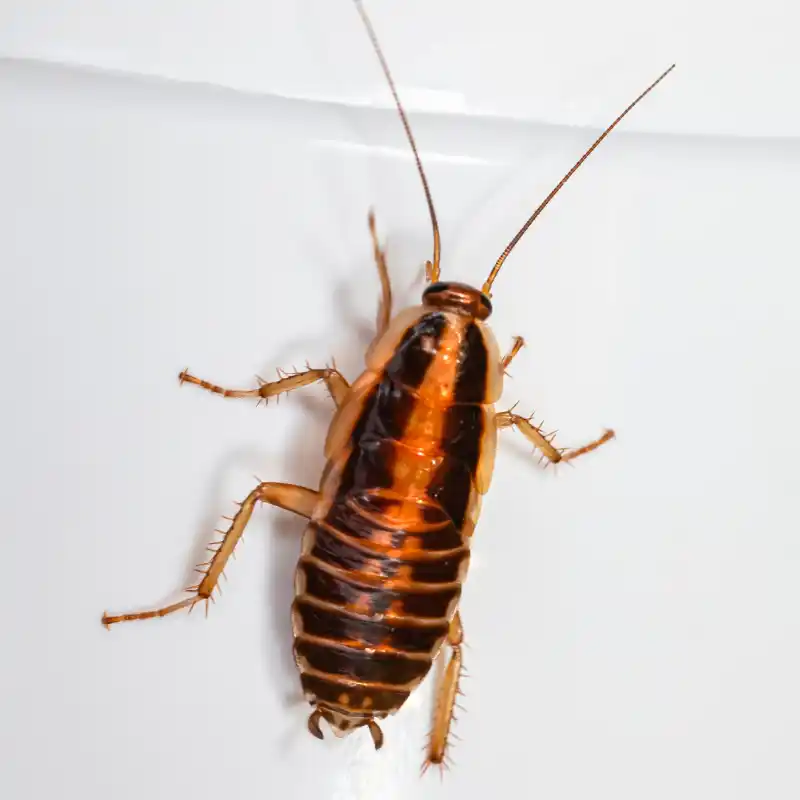
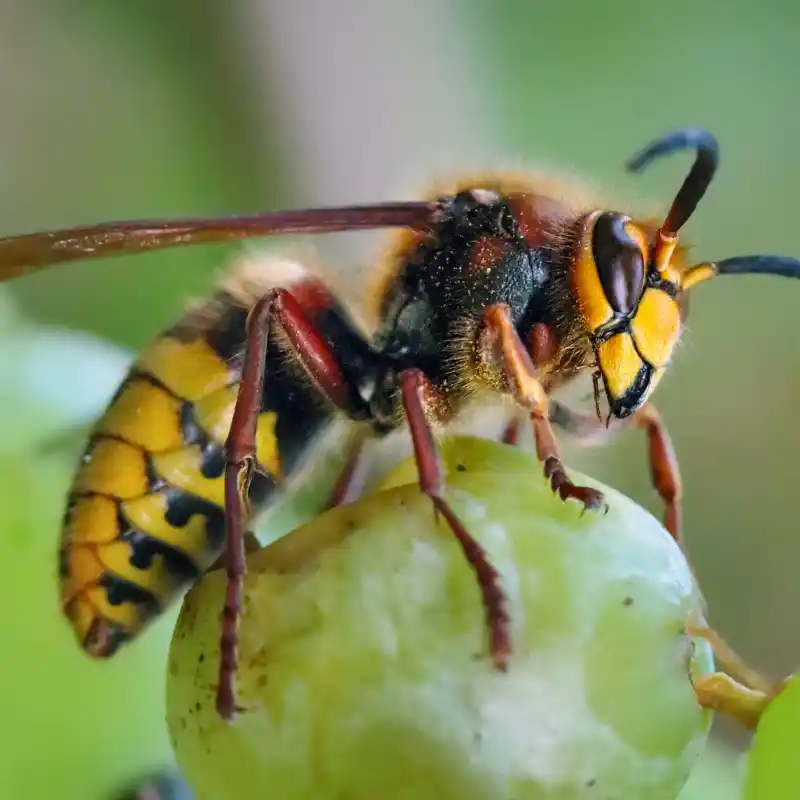
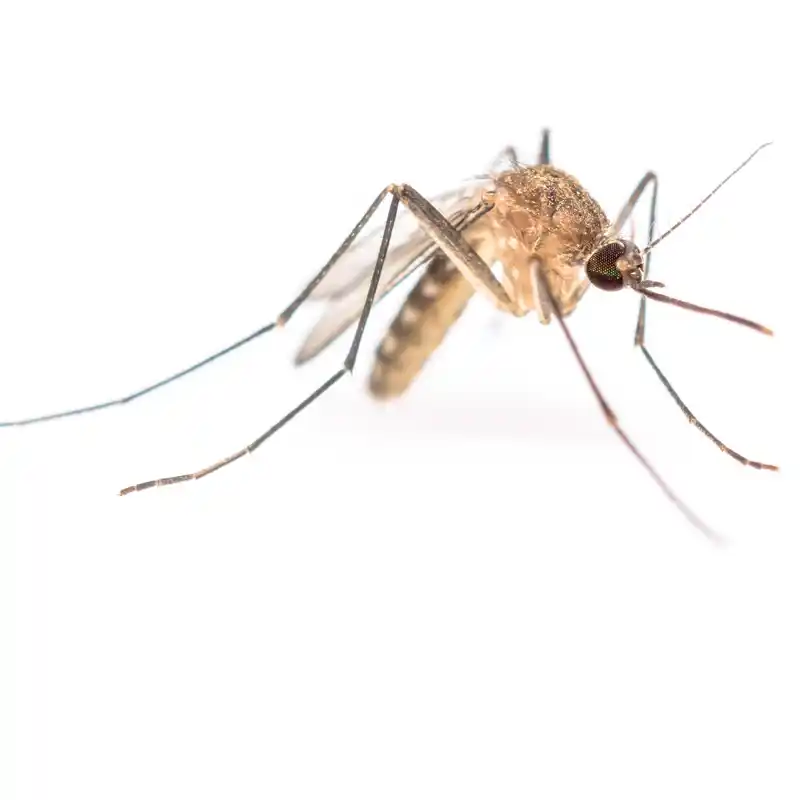
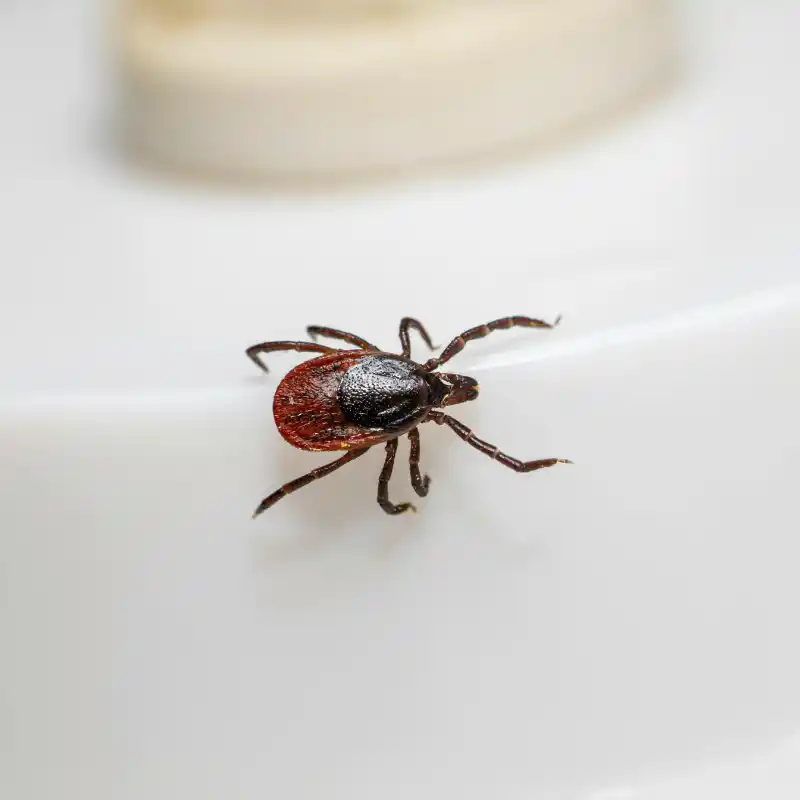

Rodent Control Camden (Mice & Rats)
Camden’s rodent pressure operates from two directions simultaneously. Poultry and grain operations along the roads surrounding Camden’s southern and western edges generate sustained year-round rodent populations from feed grain storage and processing waste. This is not seasonal field migration pressure. Poultry operation rodents push into Camden’s residential neighborhoods on Camden Avenue, W. Camden-Wyoming Avenue, and throughout the historic downtown continuously regardless of harvest timing. The St. Jones River corridor adds a second pressure source — Norway rats established along the river’s southern bank access residential properties through drainage routes and aging sewer infrastructure beneath Camden’s historic street grid.
Why Year-Round Poultry Operation Pressure Defines Camden's Rodent Environment
Grain harvest rodent migration follows a predictable October calendar. Poultry operation rodent pressure does not follow any calendar. Feed grain storage sustains large populations year-round. Facility waste creates permanent harborage conditions regardless of season. Camden’s residential neighborhoods on the historic downtown’s western and southern edges face continuous rodent migration from poultry facility perimeters throughout every month of the year. Standard pre-harvest exclusion programs alone are not sufficient. Camden needs sustained year-round exclusion programs scaled to industrial poultry operation pressure levels.
Our Rodent Control Solution in Camden
We identify which pressure source is driving your specific infestation before treatment begins. Poultry operation-adjacent properties get industrial-scale exterior station networks positioned along facility perimeter transition zones. St. Jones River corridor properties get Norway rat programs with river bank access point sealing and sewer penetration assessment beneath historic Camden Avenue foundations. Grain harvest-adjacent properties on Camden’s outer residential edges get pre-harvest exclusion programs timed to fall field activity. Follow-up visits confirm complete elimination at every service.
Long-Term Rodent Prevention in Camden
Prevention near Camden’s poultry operations requires higher exterior bait station density and more frequent monitoring than standard suburban programs provide. St. Jones River corridor properties require ongoing sewer infrastructure assessment for tidal bank Norway rat entry. We build prevention programs around your property’s specific relationship to Camden’s dual agricultural and river corridor rodent pressure sources year-round.
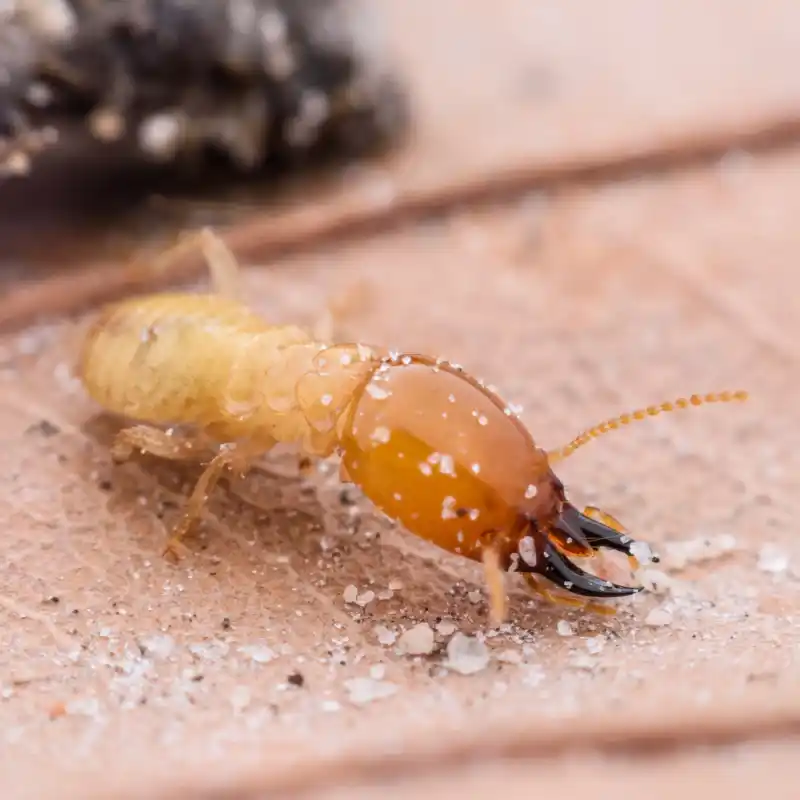
Termite Treatments Camden
The St. Jones River keeps Camden's northern foundation soil persistently moist. River drainage wicks into the ground beneath historic downtown foundations on Camden Avenue and W. Camden-Wyoming Avenue continuously through every wet season. Subterranean termite colonies thrive in this environment. Camden's Victorian and early 20th century properties have crawl space and pier foundations sitting on soil that has accumulated St. Jones River drainage moisture for generations. Many have never received professional termite treatment in their hundred-plus year history.
What St. Jones River Drainage Does to Camden's Historic Foundations
Termite colonies in St. Jones River drainage-influenced soil stay active later into fall and reactivate earlier in spring than in inland Kent County communities. Camden’s aging historic foundations have accumulated moisture exposure across generations without adequate vapor barrier protection in many cases. Sill plates and floor joists in crawl space foundations along Camden Avenue show termite damage consistently when inspected professionally. Above-floor symptoms appear only after structural damage is already significant. Professional early detection is the only reliable protection for Camden’s historic downtown housing stock.
Inspection and Treatment for Camden's Historic Properties
We inspect every crawl space sill plate, wood-to-soil contact point, and pier foundation gap. Termidor liquid treatment rates are adjusted for St. Jones River drainage moisture soil conditions. Bait station networks intercept colonies approaching from the river drainage zone on Camden’s northern border. Newer subdivision properties near Route 13 receive standard slab foundation expansion joint inspection and perimeter termiticide treatment. Documentation is provided for every structure treated.
Staying Termite-Free Along the St. Jones River Corridor
Annual monitoring visits are essential for every Camden property near the St. Jones River drainage influence zone. We inspect crawl spaces at every visit. We flag moisture conditions amplifying termite risk — failed vapor barriers in aging crawl spaces, gutter failures on Victorian rooflines directing drainage toward historic foundations, and drainage grade directing river corridor moisture toward residential perimeters. Properties nearest the river receive bi-annual monitoring given elevated soil saturation levels throughout the year.
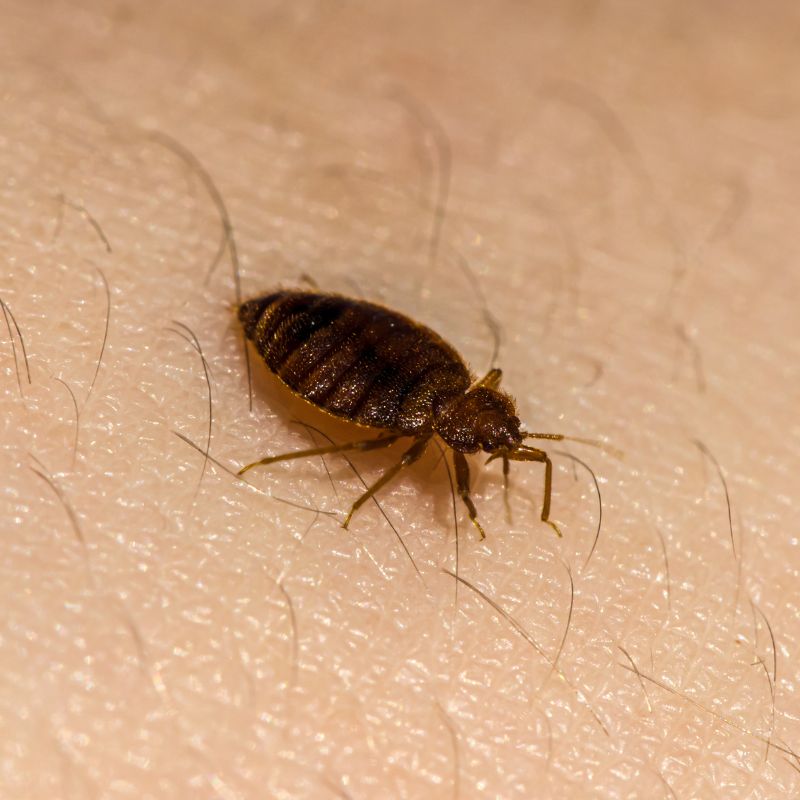
Bed Bug Extermination Camden
Bed bugs reach Camden through travel, secondhand furniture, and visiting guests. Camden's proximity to Dover — Kent County's commercial hub with hotel and extended stay activity along Route 13 — creates introduction pathways that smaller isolated rural communities face less frequently. The rental housing stock throughout Camden's historic downtown sees tenant turnover creating consistent bed bug introduction risk. Victorian and early 20th century properties on Camden Avenue have the plaster wall construction and extensive wall void networks that sustain undetected infestations for extended periods before visible activity appears.
Bed Bug Spread in Camden's Historic Rental Stock
Camden’s historic district has a concentration of older rental properties in converted Victorian houses throughout the downtown. Shared walls and interconnected basement spaces connect adjacent units. Bed bugs travel between connected units without anyone carrying them between properties. A single untreated unit reinfests treated neighbors within weeks in Camden’s connected historic rental block construction. Building-wide assessment is essential — not optional — in Camden’s older downtown rental housing stock.
Heat & Chemical Treatment for Camden Properties
Heat treatment eliminates every bed bug life stage in a single session. It penetrates historic plaster walls, Victorian-era construction, and the dense furniture common in Camden’s older rental residences. Chemical residual application follows for extended wall void protection. Same-day availability is standard. A follow-up confirmation visit is always scheduled. We do not close a bed bug job until eradication is fully confirmed across every affected unit.
Protecting Camden's Rental and Hospitality Properties
For historic downtown rental property owners we offer coordinated building-wide inspection and treatment programs. We work discreetly with property managers and landlords. All documentation is provided for compliance purposes. Ongoing monitoring programs between tenant turnovers are available throughout Camden’s historic rental district.
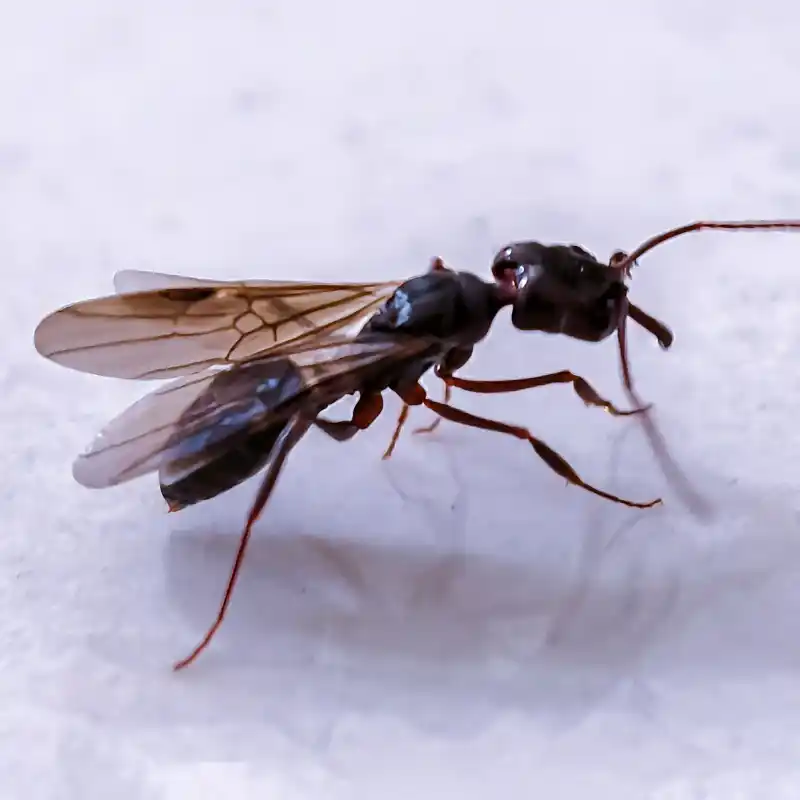
Ant Control Camden
Carpenter ants and odorous house ants both cause significant problems in Camden. Odorous house ants follow moisture trails created by St. Jones River drainage beneath aging historic downtown foundations every spring. They appear predictably in kitchens throughout Camden Avenue and W. Camden-Wyoming Avenue properties after wet spring periods. Carpenter ants target moisture-damaged wood in Camden's Victorian and early 20th century housing stock — particularly in crawl space framing, porch structures, and the elaborate exterior wood trim on historic Camden Avenue properties that has accumulated river drainage moisture damage over generations.
Carpenter Ants in Camden's Victorian Housing Stock
Camden’s historic district has a significant concentration of Victorian-era wood-frame architecture. Wide porch structures, built-up cornice assemblies, and decorative exterior wood trim on Camden Avenue properties create moisture-trapping surfaces that carpenter ants target for satellite colony establishment. Active galleries appear in porch column bases, window header assemblies, and exterior fascia boards on Camden’s historic properties regularly during professional inspections. Standard spray treatments never reach these locations.
Colony Elimination Across Camden's Historic Properties
Non-repellent bait systems eliminate the entire colony network. Worker ants carry bait back to every satellite nest and the primary queen regardless of how deeply embedded colonies are in historic Victorian framing. Exterior perimeter barrier prevents re-entry from St. Jones River drainage zones and poultry operation field edges surrounding Camden’s residential areas. Treatment coordination with adjacent properties is recommended when carpenter ant activity is found in shared porch structures on Camden’s historic neighborhood blocks.
Moisture Management for Camden's Aging Properties
Every carpenter ant treatment in Camden’s historic district is followed by a specific moisture assessment. We identify failed paint seals on Victorian trim, inadequate flashing at roof valleys, and gutter failures directing water into structural wood. We flag drainage grade issues directing St. Jones River corridor moisture toward historic foundations. Addressing those conditions is the only path to lasting carpenter ant control in Camden’s historically significant housing stock.
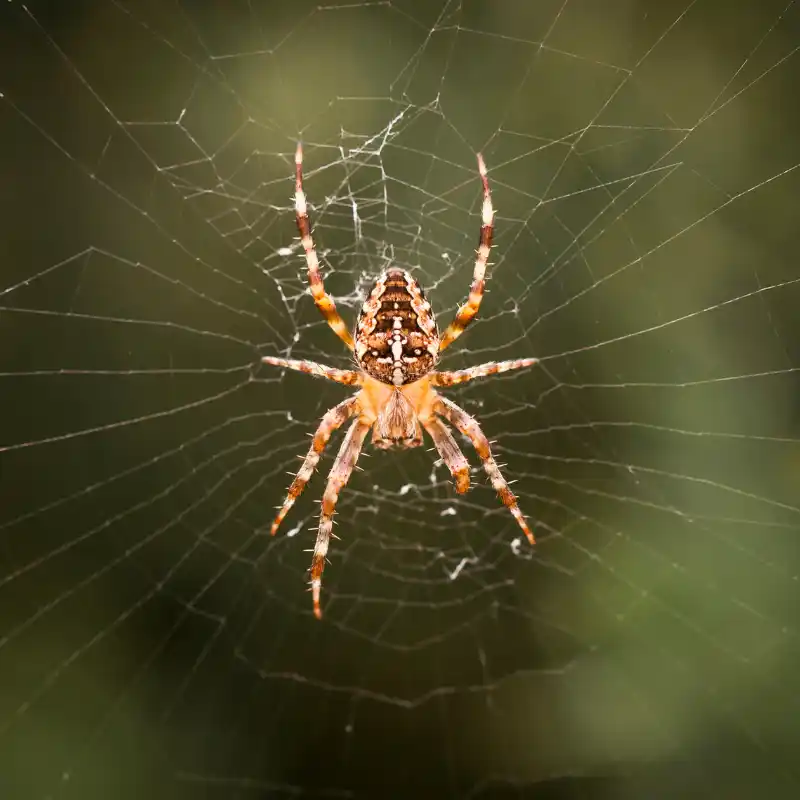
Spider Control Camden
Camden's St. Jones River corridor and surrounding agricultural and poultry operations generate flying insect populations that sustain large spider populations throughout the town year-round. Properties near the river corridor face the highest insect emergence pressure. Older historic district properties on Camden Avenue and W. Camden-Wyoming Avenue have aging structural gaps, basement access points, and crawl space zones providing ideal interior spider harborage. Black widows are confirmed in Camden — particularly in undisturbed crawl spaces and outbuildings on properties near the St. Jones River corridor and poultry operation field borders.
Dual River and Agricultural Border Spider Pressure in Camden
Camden’s spider pressure comes from two independent insect emergence sources simultaneously. St. Jones River corridor wetland emergence drives spider activity in the historic downtown’s northern-facing properties. Agricultural and poultry operation field insect emergence drives spider activity across the town’s outer residential zones nearest the facility borders. Both sources sustain year-round spider populations across every part of Camden simultaneously — creating a dual-source pressure environment that single-source suburban communities do not face.
Interior and Exterior Spider Elimination
Full web and egg sac removal precedes residual pesticide application in all harborage zones. Crack-and-crevice treatment targets crawl space zones where black widows concentrate near the St. Jones River corridor. Exterior perimeter barrier creates a chemical boundary along river drainage-facing and agricultural field-facing foundation edges simultaneously. Treatments address the flying insect populations sustaining spider activity at the same time.
Keeping Camden Properties Spider-Free
Perimeter barrier reapplication every spring and fall addresses continuous dual-source spider pressure from the St. Jones River and agricultural borders simultaneously. Exterior lighting management near river-facing properties reduces insect attraction amplifying spider activity near entry points. Crawl space encapsulation recommendations address undisturbed black widow harborage conditions between service visits.
Cockroach Extermination Camden
German cockroaches arrive in Camden through food delivery and grocery packaging. They establish rapidly in Camden's older kitchens throughout the historic downtown and along Route 13 food businesses. American cockroaches present a more serious structural problem in Camden's older properties. Aging sewer infrastructure beneath Camden Avenue and W. Camden-Wyoming Avenue has deteriorated in many sections. Failing drain seals create permanent American cockroach entry pathways beneath Camden's oldest foundations. Poultry operation proximity amplifies general cockroach pressure across Camden's facility-adjacent residential zones throughout the year.
Route 13 Commercial Corridor Cockroach Risk in Camden
Camden’s Route 13 commercial corridor has food service establishments in close proximity to residential neighborhoods. German cockroach infestations spread between commercial establishments through shared loading areas and utility connections. Residential properties adjacent to Route 13 commercial activity face cockroach introduction pressure from commercial spread pathways continuously. Monthly professional treatment with full documented service records is the only reliable protection standard for Camden’s Route 13 food businesses.
Breaking the Cockroach Cycle in Camden
Gel bait targets every harborage zone — behind appliances, inside cabinet hinges, along pipe chases, and inside dishwasher housings. Insect growth regulator disrupts the reproductive cycle completely. American cockroach control on older Camden Avenue properties requires drain seal assessment and sewer penetration treatment beneath floor level. Multiple service visits follow every initial treatment to confirm complete reproductive cycle disruption.
Long-Term Prevention for Camden Properties
We assess sewer drain seal conditions at every cockroach service near the historic street grid. Monthly monitoring is strongly recommended for Route 13 food businesses and older Camden properties near aging sewer infrastructure with active American cockroach history. Sanitation guidance specific to your Camden property type follows every treatment.
Wasp & Hornet Control Camden
Wasps and hornets establish aggressively across Camden from late spring through early fall. Poultry and agricultural operation field edges surrounding Camden's southern and western borders sustain large yellow jacket ground colony populations year-round. St. Jones River bank vegetation adds a second ground colony nesting source driven by tidal corridor conditions along Camden's northern edge. Camden's Victorian historic architecture creates paper wasp nesting cavities in deteriorating eave sections and cornice assemblies throughout Camden Avenue and W. Camden-Wyoming Avenue. Bald-faced hornets build aerial nests in the mature street tree canopy throughout Camden's established residential neighborhoods.
Victorian Architecture and Agricultural Borders Create Camden's Double Wasp Pressure
Camden faces wasp pressure from two independent sources simultaneously. Poultry and agricultural operation field edges sustain yellow jacket ground colonies year-round on the town’s southern and western borders. Victorian architectural details throughout the historic district create paper wasp nesting cavities in deteriorating cornice assemblies and eave sections simultaneously. Both sources reach peak activity at the same time during Camden’s summer season. Neither source eases while the other is active.
Fast and Safe Nest Removal in Camden
Aerial hornet nests in historic district street tree canopy require extension pole equipment and full protective gear. Ground nests along agricultural field edges and St. Jones River bank vegetation require nighttime dust injection. Paper wasp colonies in Victorian architectural cavities receive targeted direct nest saturation respecting historic surface materials. All nest material is removed after knockdown. Same-day service is available throughout Kent County.
Preventing Seasonal Wasp Return in Camden
Early spring preventive treatment disrupts queen establishment before colonies develop. We treat known nest site locations across both pressure sources — agricultural border ground zones and Victorian architectural cavity sites throughout the historic district. We document every nest location treated each season to build a property-specific prevention map for the following year.
Mosquito Control Camden
The St. Jones River defines Camden's mosquito environment. The river's drainage corridor creates tidal moisture conditions along Camden's northern edge that sustain standing water in low-lying areas through drought periods. Camden's mosquito season begins earlier than inland Kent County communities without river corridor influence. Agricultural drainage ditches along the surrounding approach roads add secondary standing water sources sustaining mosquito breeding independently of rainfall. Both sources operate simultaneously throughout the season creating a layered mosquito emergence environment that single-source communities do not face.
Why St. Jones River and Agricultural Drainage Create Camden's Extended Mosquito Season
The St. Jones River keeps low-lying areas along Camden’s northern edge wet through conditions that eliminate residential standing water elsewhere in Kent County. Agricultural drainage ditches along surrounding roads stay wet through irrigation runoff even during midsummer dry periods. Both sources sustain mosquito breeding simultaneously. Camden’s effective mosquito season is longer and more intense than inland Kent County communities with only rainfall-dependent standing water sources. Properties near the St. Jones River corridor face mosquito pressure that extends well into October while inland communities see seasonal decline in September.
Targeted Barrier and Larvicide Treatment
Our Camden mosquito program combines high-volume barrier spray targeting every resting zone on your property with targeted larvicide for all standing water features. River corridor properties receive additional treatment frequency during peak emergence periods. Agricultural border properties receive barrier spray scaled to drainage ditch insect emergence pressure. Treatments are scheduled every 21 days throughout the full season from late April through October.
Keeping Camden Outdoor Spaces Usable
Seasonal protection runs from late April through October in Camden. St. Jones River corridor influence and agricultural drainage infrastructure extend the effective mosquito window beyond what most Kent County communities experience. We advise on drainage improvements and vegetation management specific to your Camden property’s relationship to the river corridor and surrounding agricultural drainage infrastructure.
Flea & Tick Treatments Camden
Camden's tick exposure comes from the St. Jones River wildlife corridor and the agricultural and poultry operation borders surrounding the town. Deer move between the river's northern bank vegetation and residential neighborhoods on Camden's northern side regularly during dawn and dusk feeding periods. Agricultural field edges on the town's southern and western borders support separate deer populations that move through residential areas simultaneously. Both wildlife corridors bring black-legged ticks into Camden's residential zones throughout the active season.
Poultry Operation Perimeters as Secondary Flea Introduction Source
Poultry operation perimeters sustain urban wildlife populations beyond just rodents. Raccoons and opossums drawn to facility waste move through Camden’s residential neighborhoods regularly. They deposit fleas in crawl spaces and foundation perimeter areas near older historic downtown properties year-round. Deer moving along agricultural field edges near poultry facility borders create tick exposure zones in Camden’s outer residential neighborhoods that differ from the river corridor exposure on Camden’s northern side. Both sources require separate treatment approaches.
Complete Interior and Exterior Treatment
Interior treatment targets all carpet, upholstery, and pet resting areas with insecticide and insect growth regulator. Exterior barrier spray focuses on St. Jones River wetland edge lawn transitions, agricultural border fence lines, and urban wildlife movement corridors through Camden’s historic downtown. Safe pet re-entry timing is always provided after every service.
Building Long-Term Tick Prevention for Camden Properties
We identify the specific deer movement corridors and tick questing zones on your Camden property. River corridor properties need tick barrier applications along the full St. Jones River vegetation transition edge. Agricultural perimeter properties need fall treatment timed to harvest-driven deer displacement events. We build every prevention program around your property’s specific dual river and agricultural wildlife corridor exposure.
The Importance of Pest Exterminator in Camden, DE
Camden's pest environment sits at the intersection of the St. Jones River corridor and Kent County's agricultural and poultry operation interior. The river drives persistent foundation moisture sustaining termite and carpenter ant activity in historic downtown crawl spaces that have accumulated drainage exposure for generations. Poultry operations surrounding the town's southern and western edges generate industrial-scale rodent pressure that never eases between seasons. Agricultural drainage ditches along every approach road sustain mosquito breeding through conditions that eliminate standing water in communities without agricultural drainage infrastructure.
The historic downtown adds a third layer. Victorian and early 20th century housing stock on Camden Avenue has aging crawl space foundations, deteriorating sewer connections, and elaborate architectural details creating pest entry and nesting conditions that newer construction never faces. Chemical surface treatment alone cannot permanently resolve these root infrastructure conditions.
Camden's pest calendar reflects all three forces throughout every season:
- March–April: Termite swarm season activates in St. Jones River drainage-influenced northern border soil. Carpenter ants emerge in moisture-damaged Victorian crawl space framing. Mosquito season opens along the river corridor ahead of inland Kent County.
- May–June: Mosquito pressure intensifies along the St. Jones River and agricultural drainage corridors simultaneously. Odorous house ants invade historic district kitchens. Paper wasp queens establish in Victorian architectural cavities throughout Camden Avenue.
- July–August: Yellow jacket colonies reach maximum aggression along poultry operation field edges and St. Jones River bank vegetation simultaneously. Mosquito pressure peaks near the river corridor. American cockroach activity intensifies in aging sewer infrastructure during summer heat.
- September–October: Poultry operation rodent pressure continues without seasonal reduction. Tick activity peaks with fall deer movement along St. Jones River and agricultural border corridors simultaneously. Mosquito season extends into October along the river corridor zone.
- November–February: Industrial poultry operation rodent pressure continues year-round. American cockroaches consolidate in aging sewer infrastructure beneath the historic street grid. Carpenter ant colonies remain active in persistently moist St. Jones River drainage-adjacent crawl space framing through mild winter periods.
Delaware Pest Pros builds every Camden treatment program around the St. Jones River corridor, Kent County's poultry and agricultural surround, and the historic downtown infrastructure that defines this community's unique pest environment.
Our Proven Pest Control Process in Camden
Step 1: Camden-Specific Property Inspection
Every Camden inspection identifies which specific pressure sources affect your property. St. Jones River corridor properties get tidal zone moisture assessment, crawl space sill plate inspection, and sewer penetration evaluation. Poultry operation-adjacent properties get industrial-scale rodent pressure assessment and exterior perimeter gap evaluation. Historic Victorian downtown properties get architectural cavity inspection for wasp nesting and carpenter ant satellite colony assessment in elaborate exterior wood features. We never use a generic Kent County inspection checklist in Camden's layered pest environment.
Step 2: Treatment Matched to Camden's River and Agricultural Conditions
Every product is selected for Camden's specific environment. Termidor adjusted for St. Jones River drainage moisture soil conditions. Industrial-scale exterior station networks for poultry operation-adjacent residential properties. Drain seal treatment for American cockroach sewer entry beneath the historic street grid. High-volume mosquito barrier programs scaled to St. Jones River tidal and agricultural drainage dual emergence pressure. Every method is calibrated for Camden — not a standard Kent County template.
Step 3: Prevention Addressing Camden's Root Pest Drivers
Camden's most serious pest problems have root causes that chemical treatment alone cannot permanently resolve. St. Jones River tidal moisture drives termite and carpenter ant activity requiring moisture management in historic crawl spaces. Industrial poultry operation rodent pressure requires sustained exclusion calibrated to facility operational cycles. Victorian architectural deterioration creates seasonal wasp nesting requiring targeted repair recommendations. We address every root condition before closing every job.
Step 4: Monitoring Calibrated to Camden's Year-Round Pressures
Poultry operation rodent pressure never fully stops in Camden. St. Jones River moisture termite conditions persist year-round. Mosquito season starts earlier and ends later than most Kent County communities. Monthly service is strongly recommended for poultry operation-adjacent properties and St. Jones River corridor properties. Quarterly service works for most Camden homeowners away from these immediate pressure zones. We build monitoring schedules around your property's specific river and agricultural exposure.
Our follow-up commitment is what separates a real pest control provider from a one-and-done exterminator. We stay involved until the job is completely done.

Residential Pest Control in Camden
Delaware Pest Pros serves every residential property type in Camden. A Victorian home on Camden Avenue near the St. Jones River corridor has completely different pest vulnerabilities than a newer subdivision home near Route 13. We design programs for both.
River corridor historic properties get programs focused on St. Jones River tidal termite protection, carpenter ant elimination in moisture-damaged Victorian framing, Norway rat river bank exclusion, and extended-season mosquito barrier treatment along the river wetland edge.
Poultry operation-adjacent properties get industrial-scale exterior rodent station networks, sustained exclusion programs calibrated to facility operational activity cycles, and fall tick barrier treatment along deer movement corridors from agricultural field borders.
Our residential coverage includes every zone:
- Crawl spaces & foundations — termite inspection for St. Jones River drainage soil conditions, carpenter ant treatment in Victorian framing, Norway rat exclusion, American cockroach drain seal assessment
- Kitchens & bathrooms — German and American cockroach elimination, odorous house ant control
- Exterior & grounds — industrial-scale rodent station networks near poultry corridors, extended St. Jones River corridor mosquito barrier, tick barrier along river and agricultural wildlife corridors
- Victorian architectural details — paper wasp removal from deteriorating cornice assemblies and eave cavities throughout the historic district
Commercial Pest Control in Camden
Camden sits just south of Dover along Route 13 — one of Kent County's primary commercial corridors. Restaurants, food businesses, and retail operations serving Camden and the surrounding Dover metro area face real consequences from pest activity. A health inspection finding along Route 13 reaches a regional customer base immediately.
We serve restaurants and food businesses along Route 13 and Camden Avenue. We serve Camden-Wyoming school district facilities, downtown retail businesses, professional offices, healthcare facilities, and multi-unit rental properties throughout the historic downtown.
Our commercial services include:
- Restaurants & food facilities — German cockroach elimination, rodent control, and fly management with full HACCP documentation
- Healthcare facilities — low-toxicity IPM programs with infection control-compatible protocols
- Multi-unit historic rental properties — coordinated bed bug inspection and treatment across connected Victorian-era units
- Schools & childcare — child-safe treatment protocols with full documentation

Why Choose Our Pest Control in Camden, DE
Camden requires pest expertise that understands the intersection of St. Jones River tidal influence, Kent County poultry operation pressure, and Victorian historic downtown infrastructure. These three forces operate simultaneously on many Camden properties. None of them respond to standard suburban treatment programs designed for communities without active river corridors or agricultural borders.
Delaware Pest Pros knows that properties near Camden Avenue face St. Jones River drainage termite conditions that inland Camden properties do not. We know that industrial poultry operation rodent exclusion near surrounding facilities requires higher bait station density and more frequent monitoring than standard programs provide. We know that Camden's mosquito season starts earlier and ends later than most Kent County communities because of the St. Jones River corridor and surrounding agricultural drainage infrastructure operating simultaneously.
That specific Camden knowledge is what this community needs. That is what we deliver.
Licensed & Certified Technicians — state-licensed exterminators serving Kent and New Castle Counties
Same-Day & Emergency Service — fast response when you need it most
Eco-Friendly Pest Control — EPA-approved, low-toxicity treatments safe for children, pets, and the environment
- Affordable Pest Control in Wilmington — transparent pricing with no hidden fees
- Guaranteed Results — we return at no extra charge if pests come back between visits.
Integrated Pest Management (IPM) — we eliminate pests and the conditions enabling them.
Local Expertise — genuine knowledge of Camden's St. Jones River corridor, poultry operation, and Victorian historic downtown pest environment.
With Reliable Pest Control Camden, you can rest assured that your home or business is protected by a professional team that genuinely cares.
Delaware Pest Pros serves all Camden, DE neighborhoods and surrounding communities.
Our service area covers all of Kent County. We serve properties near the St. Jones River corridor, surrounding poultry operations, and the Route 13 corridor connecting Camden to Dover and Milford. Nearby Cities We Also Serve:
Customer Testimonials from Camden
Don't just take our word for it — here's what Camden
homeowners and business owners are saying about Delaware Pest Pros:
Camden Avenue Historic District, Camden DE (19934)
Norway rats had been getting into our Victorian home on Camden Avenue from the St. Jones River corridor for over a year. Every company we called set interior traps. They kept returning every few weeks. Delaware Pest Pros found the sewer penetration entry points beneath our historic foundation and sealed them completely. They set up an exterior station network along the river-facing perimeter. Not a single rat since. Nobody else even looked at the foundation infrastructure. Best pest control in Camden.

South Camden, Camden DE (19934)
We live near the poultry operations on the western side of Camden. Rodent pressure was relentless every single month. Delaware Pest Pros scaled their exterior station program to the actual industrial pressure level we face out here. Two full seasons completely rodent free. A truly trusted exterminator in Camden."
Route 13 Corridor, Camden DE (19934)
Delaware Pest Pros handles our restaurant's monthly pest control along Route 13. Thorough and fully documented on every single visit. We have passed every Kent County health inspection without a single finding since switching. Best commercial pest control in Camden.
Call Today for Pest Control in Camden, DE
Pests don’t wait. Neither should you. Delaware Pest Pros is Camden’s most trusted local exterminator. We respond the same day you call.
Our pest control in Camden, DE is backed by a full satisfaction guarantee. If pests return between visits, we come back at no extra charge. We serve every neighborhood in Camden — from Victorian homes near the St. Jones River on Camden Avenue to newer subdivisions along Route 13.
Don’t let a pest problem become a property crisis. Call your local exterminator in Camden today.
Same-Day Service. Guaranteed Results. Local Experts You Can Trust.
Frequently Asked Questions About Pest Control in Camden
1. What does pest control cost in Camden, DE?
Cost depends on pest type, property size, and proximity to the St. Jones River or surrounding poultry operations. Victorian historic district properties with crawl space foundations require more comprehensive termite and moisture treatment. Poultry operation-adjacent properties require higher-density exterior rodent station programs. A one-time general treatment ranges from $150–$300. Termite and bed bug services are priced by property size after a free inspection. Transparent quotes before any work begins. No hidden fees.
2. How often should pest control be done in Camden?
Monthly service is strongly recommended for St. Jones River corridor properties and poultry operation-adjacent properties with active rodent or termite history. Quarterly service works for most Camden homeowners away from these immediate pressure zones. Termite monitoring should be scheduled every six months for historic district crawl space properties near St. Jones River drainage influence. Mosquito treatment should begin in late April and continue through October given the extended river corridor and agricultural drainage emergence season.
3. Are your treatments safe for pets and kids?
Yes. Every product is EPA-approved and selected for low toxicity. We are especially careful near the St. Jones River corridor environment and its associated wildlife. Re-entry guidance is provided after every treatment. We answer every product question before beginning any service.
4. Do you offer same-day emergency pest control in Camden?
Yes. We maintain same-day availability throughout Camden and all of Kent County. Norway rat discoveries from St. Jones River bank routes, poultry operation rodent pressure surges, and American cockroach activity from aging sewer infrastructure all qualify for same-day response. Call before noon and a licensed technician arrives the same day in most cases.
5. Which pests are most common in Camden, DE?
- Which pests are most common in Camden, DE?
Camden's most significant pest pressures are Norway rats from St. Jones River corridor and surrounding poultry operation perimeters, subterranean termites in St. Jones River drainage moisture soil beneath historic downtown foundations, carpenter ants in moisture-damaged Victorian framing, American cockroaches from aging sewer infrastructure, and extended-season mosquitoes from St. Jones River corridor and agricultural drainage infrastructure. Black-legged ticks along St. Jones River wildlife corridors and agricultural border deer movement zones are also significant health concerns throughout the Camden area.