
Pest Control In Clayton — Same Day Clayton Exterminators
Need fast and reliable pest control in Clayton, DE? Delaware Pest Pros provides same-day exterminator services for ants, rodents, termites, spiders, and more. Our Clayton pest control experts deliver guaranteed results with safe, eco-friendly treatments for local homes and businesses.


Pest Control Costs in Clayton: What You Can Expect to Pay
The average cost of pest control in Clayton, DE typically ranges from $160 to $300 for standard residential services. Clayton’s mix of small-town neighborhoods, open land, and Delaware’s humid climate creates favorable conditions for pests year-round. Homeowners commonly encounter ants, spiders, rodents, and cockroaches, while termite activity and seasonal pests like mosquitoes and wasps are also common during warmer months. More extensive infestations or specialized treatments can increase the total cost, especially when exclusion work or ongoing maintenance plans are required.
| Service | Average Cost |
|---|---|
| Ant Control | $160 – $290 |
| Rodent Control | $200 – $340 |
| Spider Control | $140 – $250 |
| Cockroach Control | $150 – $270 |
| Termite Control | $420 – $980 |
| Bed Bug Treatment | $280 – $580 |
| Mosquito Control | $180 – $330 |
| Wasp & Hornet Removal | $120 – $230 |
| Flea & Tick Control | $150 – $270 |
| Commercial Pest Control | $360 – $720 (depending on property) |
| General Pest Inspection | $80 – $160 |
Your Local Clayton Pest Control Experts
Clayton sits at the edge of Kent County's agricultural heartland. Route 1 runs along its eastern border. The Smyrna River drainage corridor influences its northern edge. Active grain and poultry operations surround the town from every direction. Clayton is a small community — but the agricultural pressure around it is anything but small.
This is farm country pest control. Rodents migrate from harvested cornfields into Clayton neighborhoods every October with predictable intensity. Termites thrive in the persistently moist soil along drainage corridors connecting Clayton to the Smyrna River system to the north. Mosquitoes breed in the agricultural drainage ditches that run along every road leading into town. Ticks follow the deer that move between agricultural field edges and residential yards daily.
Clayton's newer subdivisions off Route 1 face the same agricultural border pressure as the historic downtown properties on Main Street. New construction does not insulate against pest pressure when active grain operations sit within a half mile of the foundation.
We know Clayton specifically. We build every treatment plan around its agricultural border reality.
Pests We Control And Exterminate In Clayton


Rodent Control Clayton (Mice & Rats)
Clayton’s rodent pressure is agricultural and seasonal — but it is intense when it arrives. Corn and soybean harvests on the fields surrounding Clayton happen every October. When combines move through those fields they destroy the ground cover that sustains field mouse populations all summer. Thousands of mice lose their outdoor harborage simultaneously. They move toward the nearest structures. Clayton’s residential neighborhoods on Main Street, Railroad Avenue, and throughout the newer Route 1 subdivisions are directly in that migration path.
Why October Harvest Creates Clayton's Most Serious Annual Pest Event
Field mouse migration into Clayton is not gradual. It happens fast. Within days of harvest activity on surrounding fields rodent pressure at foundation perimeters spikes dramatically. Homes without adequate exclusion see mice entering through foundation gaps, utility penetrations, and sill plate voids almost overnight. Standard interior trapping after entry has already occurred is reactive. Proactive exterior exclusion timed to harvest season is the only approach that keeps Clayton homes rodent-free through the fall migration period.
Our Rodent Control Solution in Clayton
We time our Clayton rodent prevention program to the agricultural calendar. Pre-harvest exterior inspection and gap sealing happens in September before field activity begins. Exterior tamper-resistant bait station networks are deployed along the field-facing foundation perimeters of every structure on the property. Interior snap trap programs address any populations that enter during the migration peak. Follow-up visits confirm complete elimination after harvest activity concludes on surrounding fields.
Long-Term Rodent Prevention in Clayton
Prevention in Clayton means staying ahead of the harvest calendar. We advise on exterior gap sealing priorities specific to your property’s orientation relative to surrounding agricultural fields. We identify the specific field-facing foundation vulnerabilities that concentrate rodent entry during migration events. Annual pre-harvest exclusion inspections are standard for every Clayton property in our recurring service program.
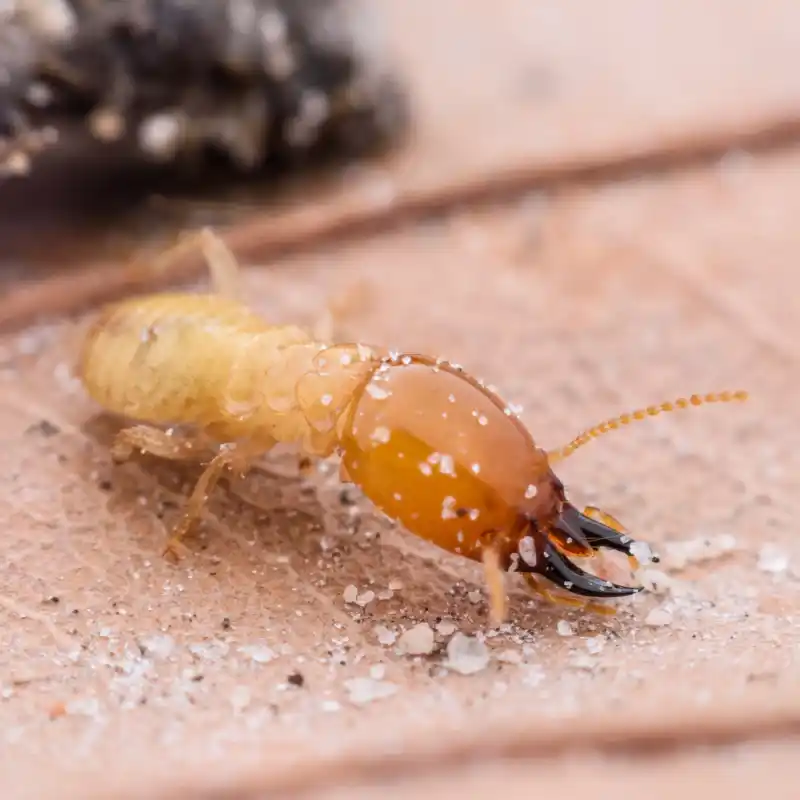
Termite Treatments Clayton
Clayton's termite risk comes from the Smyrna River drainage system to the north and the agricultural drainage infrastructure surrounding the town. Drainage ditches along Route 1 and the agricultural field borders keep soil moisture elevated around Clayton's residential zones throughout the wet season. Older properties on Main Street and Railroad Avenue have crawl space foundations sitting on soil that accumulates agricultural drainage moisture year after year. Subterranean termite colonies thrive in these persistently moist conditions.
Agricultural Drainage Moisture as Clayton's Primary Termite Driver
Clayton does not have a tidal river running through its center. Its termite risk comes from a different moisture source — the extensive agricultural drainage infrastructure surrounding the town. Irrigation runoff and drainage ditch standing water along every approach road keeps Clayton’s perimeter soil consistently moist. This agricultural drainage moisture creates termite colony conditions that extend the active season beyond what drier inland Kent County communities experience. Older Clayton properties with crawl space foundations are particularly vulnerable.
Inspection and Treatment for Clayton Properties
We inspect every crawl space sill plate, wood-to-soil contact point, and pier foundation gap. Termidor liquid treatment rates are calibrated for agricultural drainage-influenced soil moisture conditions. Bait station networks intercept colonies approaching from drainage ditch zones along Clayton’s perimeter roads. Newer subdivision properties off Route 1 receive slab foundation expansion joint inspection and perimeter termiticide treatment. Documentation is provided for every structure treated.
Staying Termite-Free in Clayton
Annual monitoring visits are essential for every Seaford property near the Nanticoke tidal influence zone. We inspect mud tube activity in crawl spaces at every visit. We flag moisture conditions amplifying termite risk between treatment cycles. Properties nearest the riverfront receive bi-annual monitoring given the elevated soil saturation in the tidal corridor zone.
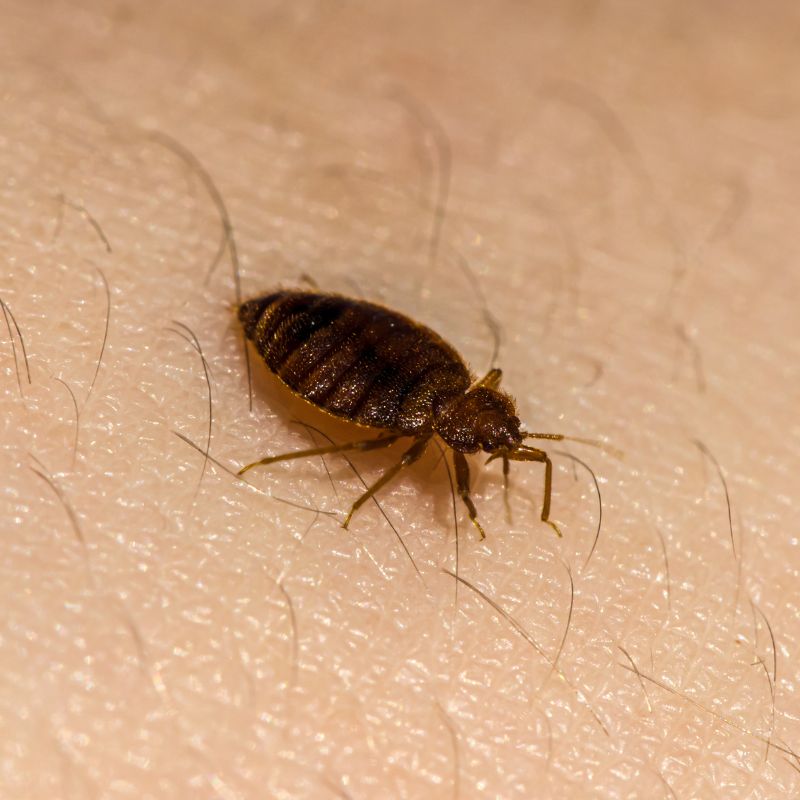
Bed Bug Extermination Clayton
Bed bugs reach Clayton through travel, secondhand furniture, and visiting guests. Clayton's proximity to Dover and Smyrna — both regional commercial hubs with hotel and extended stay activity — creates introduction pathways that smaller isolated communities face less frequently. Clayton's rental housing stock throughout the historic downtown sees tenant turnover that creates consistent bed bug introduction risk. Once introduced Clayton's older housing stock on Main Street and Railroad Avenue sustains infestations that can go undetected for extended periods.
Why Clayton's Older Housing Stock Creates Bed Bug Challenges
Clayton’s historic downtown properties have the plaster wall construction, dense furnishing layouts, and extensive wall void networks common in pre-1960 residential buildings. These characteristics create bed bug harborage conditions that are harder to detect and more difficult to treat than modern open-stud construction. Infestations establish in wall voids, behind historic plaster, and inside the dense furniture common in Clayton’s older rental properties long before visible activity appears.
Heat & Chemical Treatment for Clayton Properties
Heat treatment eliminates every bed bug life stage in a single session. It penetrates historic plaster walls, dense furnishings, and all harborage zones regardless of construction age. Chemical residual application follows for extended wall void protection. Same-day availability is standard. A follow-up confirmation visit is always scheduled. We do not close a bed bug job until eradication is fully confirmed.
Protecting Clayton's Rental Properties
For rental property owners throughout Clayton’s historic downtown we offer coordinated multi-unit inspection and treatment programs. We work discreetly with landlords and property managers. All documentation is provided for compliance purposes. Between-tenancy monitoring programs keep Clayton’s older rental stock protected throughout the year.
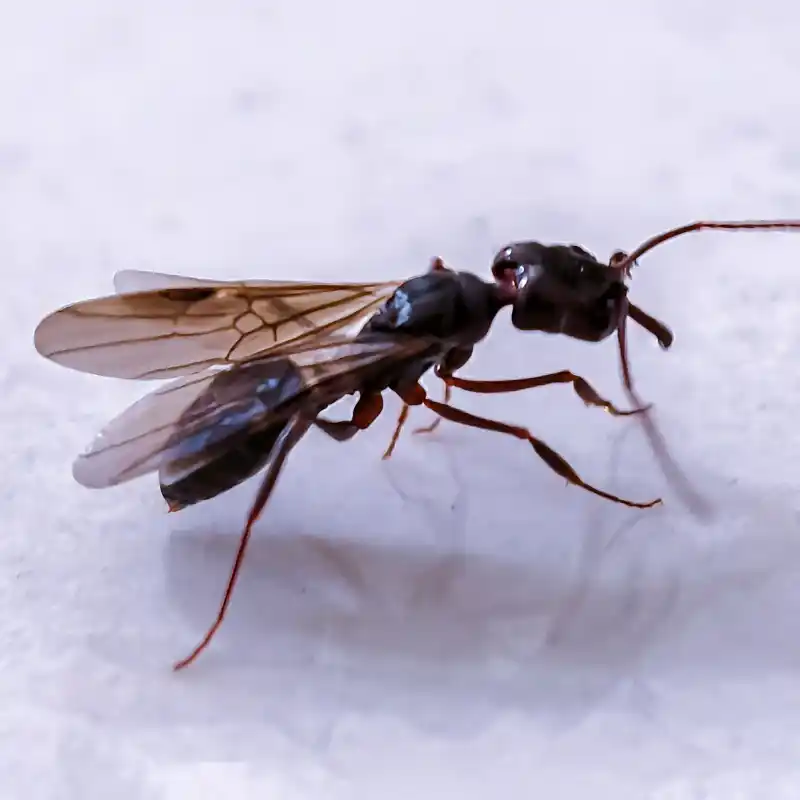
Ant Control Clayton
Odorous house ants and carpenter ants both cause significant problems in Clayton. Odorous house ants follow moisture trails created by agricultural drainage beneath Clayton's older foundations every spring. They appear predictably in kitchens throughout Main Street and Railroad Avenue properties after wet spring periods. Carpenter ants target moisture-damaged wood in Clayton's older historic downtown properties — particularly in crawl space framing, porch structures, and exterior trim that has accumulated agricultural drainage moisture damage over decades.
Carpenter Ants in Clayton's Historic Downtown Properties
Clayton’s Main Street and Railroad Avenue properties have a concentration of pre-1950 wood-frame construction with crawl space foundations. Many have never had adequate vapor barriers installed. Agricultural drainage moisture has been accumulating in crawl space sill plates and floor joists on these properties for generations. Carpenter ant queens find ideal nesting conditions in this persistently damp structural wood. Active galleries appear regularly in crawl space framing on Clayton’s older historic downtown properties during professional inspections.
Colony Elimination Across Clayton Properties
Non-repellent bait systems eliminate the entire colony network. Worker ants carry bait back to every satellite nest and the primary queen. We treat every moisture-damaged wood zone identified during inspection. Exterior perimeter barrier prevents re-entry from agricultural field edge vegetation and drainage ditch zones along Clayton’s perimeter roads. Lasting results require addressing moisture conditions simultaneously with colony elimination.
Moisture Management for Clayton's Older Properties
Every carpenter ant treatment in Clayton’s historic downtown is followed by a specific moisture assessment. We identify failed vapor barriers in crawl spaces, gutter section failures, and drainage grade issues directing agricultural runoff toward older foundations. Fixing those conditions converts temporary treatment results into permanent solutions for Clayton’s historic downtown properties.
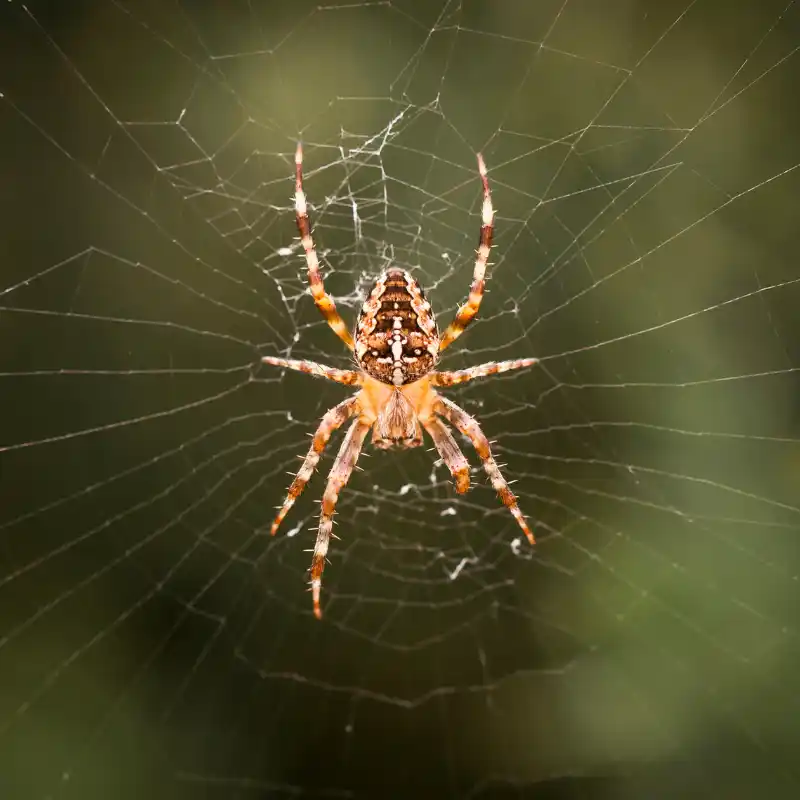
Spider Control Clayton
Clayton's agricultural surroundings generate flying insect populations that sustain large spider populations throughout the town year-round. Agricultural field insect emergence from surrounding corn and soybean operations creates food abundance that supports spider activity across all residential zones. Older historic downtown properties on Main Street have aging structural gaps and basement access points providing ideal interior harborage. Black widows are confirmed in Clayton — particularly in undisturbed crawl spaces and outbuildings on properties near agricultural field borders.
Spider Pressure from Clayton's Agricultural Borders
Agricultural fields generate more flying insect activity per acre than any other land use type. Clayton is surrounded by active grain operations on every approach road. The insect emergence from these fields during growing season sustains spider populations in Clayton’s residential zones at levels that woodland and urban communities simply do not face. Properties on Clayton’s outer residential edges nearest the agricultural borders see the highest spider pressure throughout the season.
Interior and Exterior Spider Elimination
Full web and egg sac removal precedes residual pesticide application in all harborage zones. Crack-and-crevice treatment targets crawl space zones where black widows concentrate near agricultural border properties. Exterior perimeter barrier creates a chemical boundary along field-facing foundation edges. Treatments address the flying insect populations sustaining spider activity simultaneously.
Keeping Clayton Properties Spider-Free
Perimeter barrier reapplication every spring and fall addresses continuous agricultural border spider pressure. Exterior lighting management near field-facing properties reduces insect attraction amplifying spider activity near entry points. Crawl space encapsulation recommendations address undisturbed black widow harborage conditions between service visits.
Cockroach Extermination Clayton
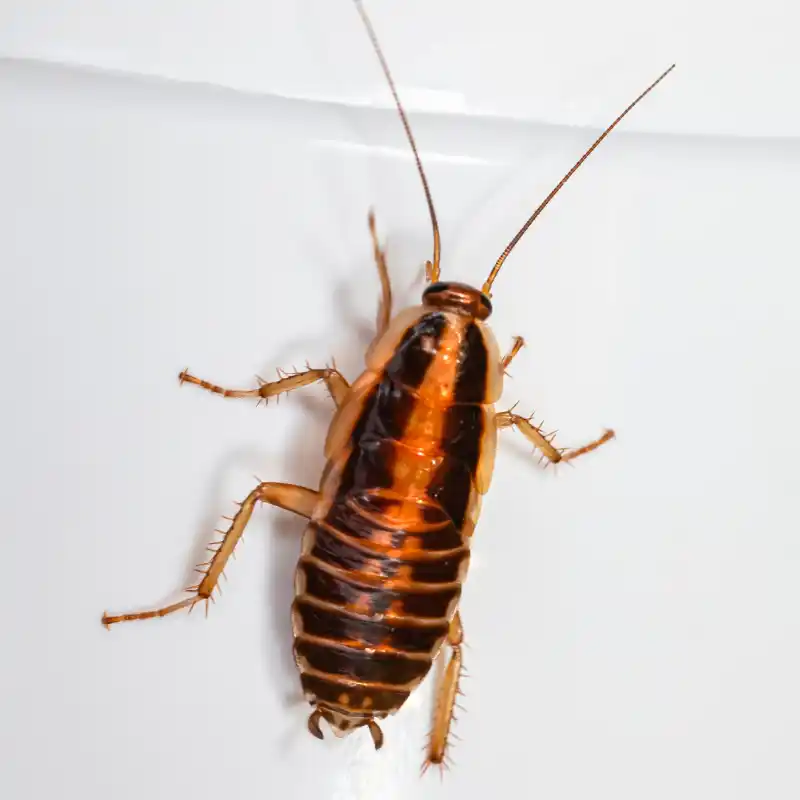
German cockroaches arrive in Clayton through food delivery and grocery packaging. They establish in Clayton kitchens and bathrooms throughout the community. American cockroaches present differently in Clayton's older historic downtown properties. Aging sewer infrastructure beneath Main Street and Railroad Avenue has deteriorated in many areas. Failing drain seals and cracked pipe sections create American cockroach entry pathways beneath Clayton's oldest foundations. Agricultural proximity amplifies general cockroach pressure across Clayton's field-adjacent residential zones.
German Cockroach Risk in Clayton's Route 1 Commercial Zone
Clayton’s Route 1 commercial corridor has food service establishments that face cockroach introduction pressure from delivery activity and shared loading areas. German cockroach infestations in Route 1 food businesses create spread risk for adjacent residential properties through shared utility connections. Monthly professional treatment with documented service records is the only reliable protection standard for Clayton’s Route 1 food businesses.
Breaking the Cockroach Cycle in Clayton
Gel bait targets every harborage zone — behind appliances, inside cabinet hinges, along pipe chases, inside dishwasher housings. Insect growth regulator disrupts the reproductive cycle. American cockroach control on older Main Street properties requires drain seal assessment and sewer penetration treatment beneath floor level. Multiple service visits follow every initial treatment.
Long-Term Prevention for Clayton Properties
We assess sewer drain seal conditions at every cockroach service near Clayton’s historic downtown street grid. Monthly monitoring is recommended for Route 1 food businesses and older Main Street properties with active American cockroach history. Sanitation guidance specific to your Clayton property type follows every treatment.
Wasp & Hornet Control Clayton
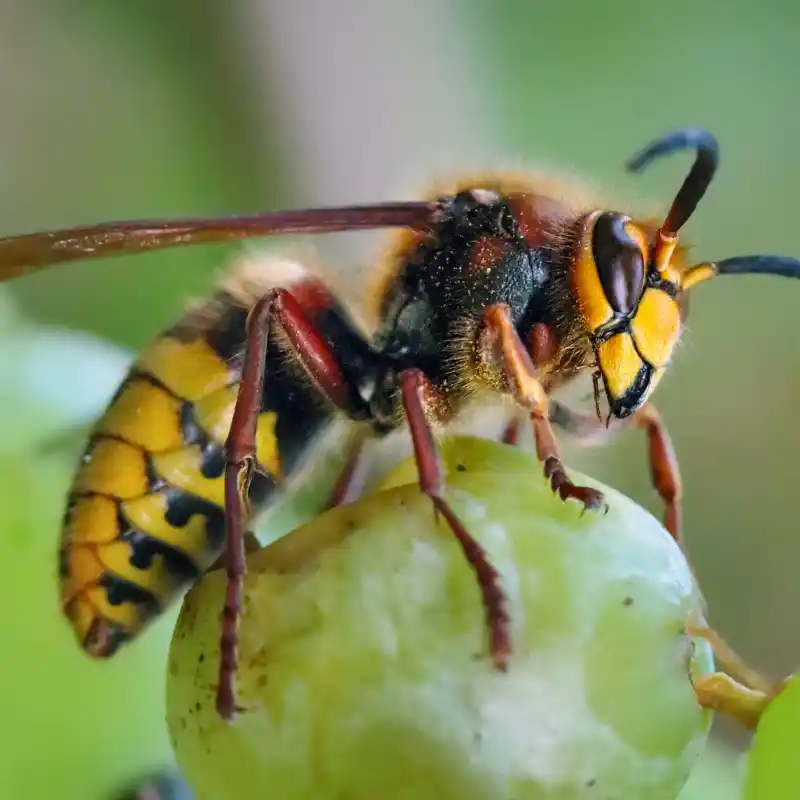
Wasps and hornets establish aggressively across Clayton from late spring through early fall. Agricultural field edges surrounding the town sustain large yellow jacket ground colony populations year-round. Clayton's older historic downtown architecture creates paper wasp nesting cavities in deteriorating eave sections and aging fascia boards throughout Main Street and Railroad Avenue. Bald-faced hornets build aerial nests in the mature street trees throughout Clayton's established residential neighborhoods.
Agricultural Field Edges as Clayton's Dominant Wasp Source
Clayton’s agricultural surround creates yellow jacket ground colony pressure from every direction simultaneously. Harvested field edges with undisturbed soil zones. Drainage ditch banks with minimal ground disturbance. Agricultural road margins with dense low vegetation. Every one of these environments sustains yellow jacket colonies that push into Clayton’s residential zones during peak summer aggression. Properties on Clayton’s outer residential edges nearest the field borders face the highest ground colony density in Kent County.
Fast and Safe Nest Removal in Clayton
Aerial hornet nests in residential street tree canopy require extension pole equipment and full protective gear. Ground nests along agricultural field edges require nighttime dust injection. Paper wasp colonies in deteriorating historic eave gaps receive direct nest saturation. All nest material is removed after knockdown. Same-day service is available throughout Kent County.
Preventing Seasonal Wasp Return in Clayton
Early spring preventive treatment disrupts queen establishment before colonies develop. We treat known nest site locations — agricultural border ground zones, historic architectural eave cavities, drainage ditch bank edges. We document every nest location treated each season to build a property-specific prevention map.
Mosquito Control Clayton
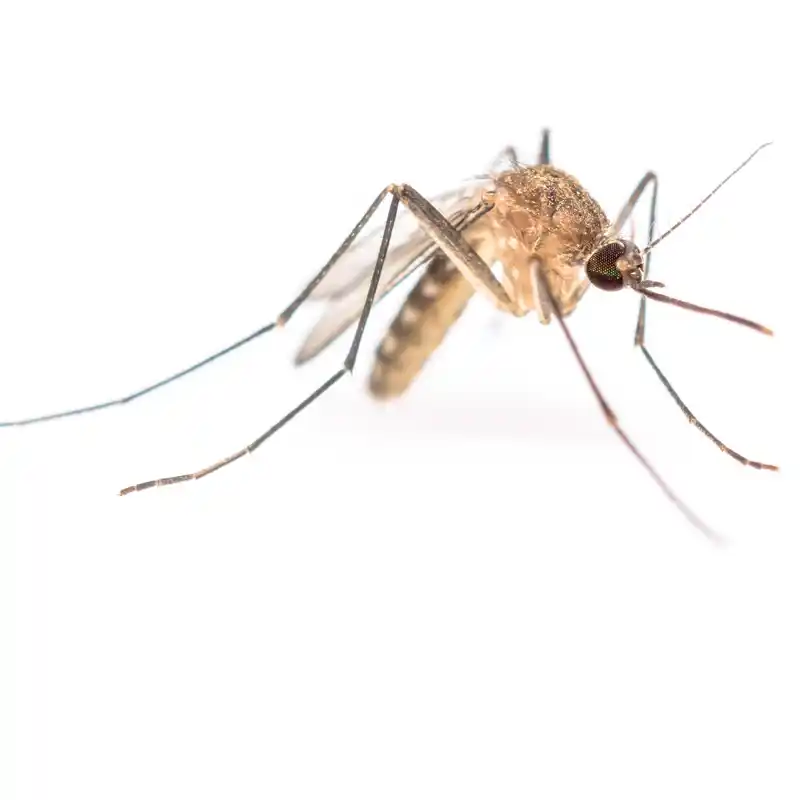
Clayton's mosquito environment is driven entirely by its agricultural drainage infrastructure. Drainage ditches along every approach road — Route 1, Route 300, and the agricultural field border roads surrounding the town — create persistent standing water sources that sustain mosquito breeding through dry summer periods. Clayton does not have a tidal river or coastal wetland. Its mosquito source is agricultural runoff and drainage ditch standing water. This source operates independently of rainfall. It sustains breeding conditions through midsummer droughts that eliminate mosquito sources in communities dependent on rainfall-driven standing water.
Why Agricultural Drainage Ditches Create Year-Round Mosquito Pressure
Irrigation runoff fills agricultural drainage ditches even when rainfall is minimal. Clayton’s perimeter drainage infrastructure stays wet through conditions that would eliminate mosquito breeding in residential-only communities. This creates a persistent mosquito source around the town’s entire perimeter simultaneously. Properties on Clayton’s outer residential edges nearest the drainage ditch borders face mosquito pressure that begins earlier in spring and extends later into fall than properties in communities without agricultural drainage infrastructure.
Targeted Barrier and Larvicide Treatment
Our Clayton mosquito program applies targeted barrier sprays to all resting zones — foundation plantings, fence lines, and all residential perimeter vegetation adjacent to agricultural drainage corridors. Larvicide targets standing water in gutters, low-lying yard features, and any drainage areas on the property. Treatments are scheduled every 21 days throughout the full season from late April through October.
Keeping Clayton Outdoor Spaces Usable
Backyard spaces and outdoor areas in Clayton deserve professional mosquito protection. Agricultural drainage ditch pressure surrounds the town from every direction. Our seasonal program runs from late April through October. We advise on property drainage improvements that reduce mosquito harborage between treatment cycles specific to your Clayton property’s orientation relative to surrounding agricultural drainage infrastructure.
Flea & Tick Treatments Clayton
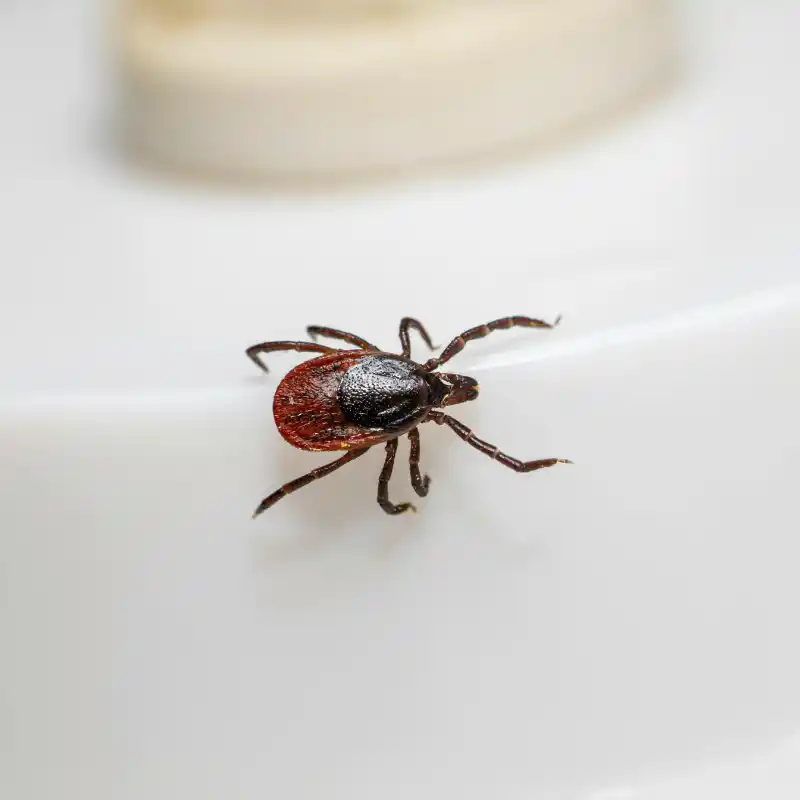
Clayton's tick exposure comes directly from its agricultural field borders. Deer move between harvested grain fields and residential neighborhoods on Clayton's outer edges daily during dawn and dusk feeding periods. Every deer passage deposits black-legged ticks in the lawn transition zones, landscape bed borders, and unmaintained lot edges throughout Clayton's field-adjacent residential neighborhoods. Lyme disease risk in Clayton-area zip codes has increased consistently as deer populations along Kent County agricultural corridors have grown.
Harvest Season as Clayton's Peak Tick Exposure Period
Clayton’s tick exposure follows the agricultural calendar in a way that purely residential communities do not experience. When fall harvest removes field cover deer concentrate along the remaining vegetated field edges and woodland margins adjacent to Clayton’s residential neighborhoods. Tick deposition in these concentrated deer movement zones intensifies dramatically during October and November harvest periods. Fall treatment timed to harvest activity is essential for effective tick protection on Clayton’s field-adjacent properties.
Complete Interior and Exterior Treatment
Interior treatment targets all carpet, upholstery, and pet resting areas with insecticide and insect growth regulator. Exterior barrier spray focuses on agricultural field edge lawn transitions, drainage ditch bank edges, and unmaintained lot vegetation along Clayton’s residential perimeter. Safe pet re-entry timing is always provided after every service.
Building Long-Term Tick Prevention for Clayton Properties
We identify the specific deer movement corridors and tick questing zones on your Clayton property. Field-adjacent properties need tick barrier applications along the full agricultural border transition edge. Fall treatment timing must account for harvest-driven deer displacement events specific to the field operations surrounding your specific Clayton neighborhood. We build every prevention program around your property’s orientation relative to active agricultural operations.
The Importance of Pest Exterminator in Clayton, DE
Clayton's pest environment is defined by one thing above all else — agriculture. Active grain and poultry operations surround the town from every direction. That agricultural surround drives rodent migration every harvest season. It sustains mosquito breeding in drainage infrastructure year-round. It generates yellow jacket ground colony pressure from field edges simultaneously on every side of town. It creates tick exposure from deer moving between fields and residential yards daily.
The historic downtown adds a second layer. Main Street and Railroad Avenue properties have aging crawl space foundations sitting on soil that has absorbed agricultural drainage moisture for generations. Deteriorating sewer infrastructure creates cockroach entry from below. Aging architectural details create seasonal wasp nesting opportunities. These are not rural field conditions. They are historic small-town conditions that require a different treatment approach than the agricultural perimeter challenges.
Clayton's pest calendar follows the agricultural season precisely:
- March–April: Termite swarm season activates in agricultural drainage-influenced soil. Carpenter ants emerge in moisture-damaged crawl space framing on historic downtown properties. Mosquito season opens along drainage ditch borders.
- May–June: Mosquito pressure intensifies along agricultural drainage corridors surrounding the town. Odorous house ants invade kitchens throughout the historic district. Paper wasp queens establish in deteriorating eave gaps on Main Street properties.
- July–August: Yellow jacket colonies reach maximum aggression along agricultural field edges. Mosquito pressure peaks in drainage ditch zones surrounding the town perimeter simultaneously. American cockroach activity intensifies in aging sewer infrastructure.
- September–October: Corn and soybean harvest begins. Rodent migration from surrounding fields into Clayton neighborhoods intensifies dramatically. Tick activity peaks with harvest-driven deer displacement along field border corridors.
- November–February: Post-harvest rodent pressure consolidates in residential foundations. American cockroaches retreat into aging sewer infrastructure. Carpenter ant colonies remain active in persistently moist crawl space framing through mild winter periods.
Delaware Pest Pros builds every Clayton treatment program around Kent County's agricultural calendar and the historic downtown infrastructure that sits at its center.
Our Proven Pest Control Process in Clayton
Step 1: Agricultural Calendar Property Inspection
Every Clayton inspection is timed to the agricultural calendar. Pre-harvest inspections in September assess foundation perimeter gap vulnerabilities before field mouse migration begins. Spring inspections target carpenter ant activation in crawl spaces and termite swarm conditions in agricultural drainage-influenced soil. Summer inspections assess mosquito breeding conditions in drainage ditch border zones and wasp nest development along field edges. We never use a generic inspection checklist in Clayton's agricultural border environment.
Step 2: Treatment Matched to Clayton's Agricultural Conditions
Every product is selected for Clayton's specific agricultural environment. Pre-harvest exterior bait station deployment timed to surrounding field operations. Termidor adjusted for agricultural drainage-influenced Kent County soil moisture conditions. Drain seal treatment for American cockroach sewer entry beneath the historic street grid. High-volume mosquito barrier programs scaled to agricultural drainage ditch perimeter emergence pressure. Every method is calibrated for Clayton's agricultural calendar — not a standard Kent County template.
Step 3: Prevention Addressing Clayton's Agricultural Root Drivers
Clayton's most serious pest problems connect directly to surrounding agricultural operations. Harvest-driven rodent migration requires pre-harvest exclusion timing. Agricultural drainage moisture drives termite and carpenter ant activity in historic downtown crawl spaces. Drainage ditch standing water sustains mosquito breeding through drought conditions. Field edge yellow jacket colonies peak simultaneously on every side of town. We address every agricultural root condition before closing every job.
Step 4: Monitoring Calibrated to Clayton's Seasonal Agricultural Calendar
Clayton's pest pressure follows the agricultural calendar more closely than any other factor. Rodent exclusion inspections in September before harvest. Termite monitoring visits in spring when agricultural drainage moisture peaks. Mosquito treatment beginning in late April when drainage ditch breeding activates. Tick barrier treatment timed to fall harvest deer displacement. We build every monitoring schedule around the specific crop operations surrounding your Clayton property.
Our follow-up commitment is what separates a real pest control provider from a one-and-done exterminator. We stay involved until the job is completely done.

Residential Pest Control in Clayton
Delaware Pest Pros serves every residential property type in Clayton. A historic crawl space foundation home on Main Street has completely different pest vulnerabilities than a newer subdivision home off Route 1. We design programs for both.
Historic downtown properties get programs focused on agricultural drainage termite protection, carpenter ant elimination in moisture-damaged crawl space framing, American cockroach sewer infrastructure assessment, and pre-harvest rodent exclusion.
Newer Route 1 subdivision properties get programs focused on harvest-season rodent exclusion from agricultural field border migration, agricultural drainage ditch mosquito barrier treatment, tick barrier along field edge deer movement corridors, and yellow jacket ground colony management along field border perimeters.
Our residential coverage includes every zone:
- Crawl spaces & foundations — termite inspection for agricultural drainage-influenced soil, carpenter ant treatment, rodent exclusion timed to harvest calendar
- Kitchens & bathrooms — German and American cockroach elimination, odorous house ant control
- Exterior & grounds — pre-harvest rodent station networks, agricultural drainage ditch mosquito barrier, tick barrier along field edge deer corridors, yellow jacket management along agricultural perimeter
Commercial Pest Control in Clayton
Clayton's commercial activity concentrates along Route 1 and the town's Main Street corridor. Restaurants, food businesses, and retail operations serving Clayton and surrounding Kent County communities face real consequences from pest activity in an agricultural border environment where rodent and cockroach pressure is consistent and seasonal.
We serve restaurants and food businesses along Route 1. We serve Clayton schools, retail businesses, professional offices, and multi-unit rental properties throughout the historic downtown.
Our commercial services include:
- Restaurants & food facilities — German cockroach elimination and rodent control with full HACCP documentation
- Historic downtown rental properties — coordinated bed bug inspection and treatment programs
- Retail & offices — ant control, rodent exclusion, and perimeter protection
- Schools & childcare — child-safe treatment protocols with full documentation

Why Choose Our Pest Control in Clayton, DE
Clayton requires pest expertise that understands Kent County's agricultural calendar. The harvest-driven rodent migration. The agricultural drainage ditch mosquito pressure. The field edge yellow jacket density. The tick exposure from deer displaced by harvest activity. None of these respond to standard suburban treatment programs designed for communities without active agricultural borders.
Delaware Pest Pros knows that pre-harvest exclusion in September is more valuable than reactive trapping in November. We know that mosquito pressure in Clayton comes from agricultural drainage infrastructure — not residential standing water — and requires barrier programs scaled to that perimeter source. We know that tick treatment on Clayton's field-adjacent properties must account for the harvest-driven deer displacement events that concentrate tick exposure in October and November.
That specific agricultural calendar knowledge is what Clayton properties need. That is what we deliver.
Licensed & Certified Technicians — state-licensed exterminators serving Kent and New Castle Counties
Same-Day & Emergency Service — fast response when you need it most
Eco-Friendly Pest Control — EPA-approved, low-toxicity treatments safe for children, pets, and the environment
- Affordable Pest Control in Wilmington — transparent pricing with no hidden fees
- Guaranteed Results — we return at no extra charge if pests come back between visits.
Integrated Pest Management (IPM) — we eliminate pests and the conditions enabling them.
Local Expertise — genuine knowledge of Clayton's agricultural border pest environment
With Reliable Pest Control Clayton, you can rest assured that your home or business is protected by a professional team that genuinely cares.
Delaware Pest Pros serves all Clayton, DE neighborhoods and surrounding communities.
Our service area covers all of Kent County. We serve properties near Route 1, Route 300, and the agricultural field corridors surrounding Clayton's residential zones. Nearby Cities We Also Serve:
Customer Testimonials from Clayton
Don't just take our word for it — here's what Clayton
homeowners and business owners are saying about Delaware Pest Pros:
Route 1 Corridor, Clayton DE (19938)
Every October when harvest started on the surrounding fields our home on the Route 1 corridor was overrun with mice within days. Delaware Pest Pros came out in September before harvest began. They sealed every gap along the field-facing foundation. They deployed an exterior station network along the perimeter. We did not see a single mouse during the entire harvest season. Nobody else understood the harvest timing connection. Best pest control in Clayton.

Main Street Historic District, Clayton DE (19938)
Carpenter ants had been in our crawl space on Main Street for two seasons. Delaware Pest Pros found the moisture conditions driving them — a failed vapor barrier and two gutter sections directing water straight toward our foundation. They treated the colonies and fixed the moisture problem. Two full seasons completely carpenter ant free. A truly trusted exterminator in Clayton.
Route 1 Corridor, Clayton DE (19938)
Delaware Pest Pros handles our restaurant's monthly pest control along Route 1. Thorough and fully documented every visit. We have passed every Kent County health inspection without a single finding since switching. Best commercial pest control in Clayton.
Call Today for Pest Control in Clayton, DE
Pests don’t wait. Neither should you. Delaware Pest Pros is Clayton’s most trusted local exterminator. We respond the same day you call.
Our pest control in Clayton, DE is backed by a full satisfaction guarantee. If pests return between visits, we come back at no extra charge. We serve every neighborhood — from historic Main Street properties to newer subdivisions along the Route 1 agricultural corridor.
Don’t let a pest problem become a property crisis. Call your local exterminator in Clayton today.
Same-Day Service. Guaranteed Results. Local Experts You Can Trust.
Frequently Asked Questions About Pest Control in Clayton
1. What does pest control cost in Clayton, DE?
Cost depends on pest type, property size, and proximity to Clayton's agricultural borders. Pre-harvest rodent exclusion programs for field-adjacent properties require more comprehensive exterior station deployment than standard suburban programs. Historic downtown crawl space properties require more comprehensive termite and moisture assessment. A one-time general treatment ranges from $150–$300. Termite and bed bug services are priced by property size after a free inspection. Transparent quotes before any work begins. No hidden fees.
2. How often should pest control be done in Clayton?
Quarterly service is the minimum for most Clayton properties. Pre-harvest September inspections are essential for field-adjacent properties. Termite monitoring should be scheduled every six months for historic downtown crawl space properties near agricultural drainage-influenced soil. Mosquito treatment should begin in late April when drainage ditch breeding activates and continue through October. Tick barrier treatment must account for fall harvest deer displacement events in October and November.
3. Are your treatments safe for pets and kids?
Yes. Every product is EPA-approved and selected for low toxicity. We are especially careful near Clayton's agricultural drainage corridor environment and associated wildlife. Re-entry guidance is provided after every treatment. We answer every product question before we begin.
4. Do you offer same-day emergency pest control in Clayton?
Yes. We maintain same-day availability throughout Clayton and all of Kent County. Harvest-season rodent migration events, American cockroach activity from aging sewer infrastructure, and yellow jacket nest emergencies along agricultural field borders all qualify for same-day response. Call before noon and a licensed technician arrives the same day in most cases.
5. Which pests are most common in Clayton, DE?
Clayton's most significant pest pressures are harvest-driven field mouse migration from surrounding corn and soybean operations, subterranean termites in agricultural drainage-influenced historic downtown soil, carpenter ants in moisture-damaged crawl space framing, German and American cockroaches in older Main Street properties, and agricultural drainage ditch mosquitoes surrounding the town perimeter. Black-legged ticks along field edge deer movement corridors during harvest season are also a significant health concern throughout the Clayton area.