
Pest Control In Frankford — Same Day Frankford Exterminators
Need fast and reliable pest control in Frankford, DE? Delaware Pest Pros provides same-day exterminator services for rodents, termites, bed bugs, ants, spiders, and more. Our Frankford pest control experts deliver guaranteed results with safe, eco-friendly treatments for local homes and businesses.


Pest Control Costs in Frankford, Delaware: What You Can Expect to Pay
The average cost of pest control in Frankford, DE typically ranges from $180 to $330 for standard residential services. Located in Sussex County, Frankford has a humid coastal climate, which increases pest activity — especially mosquitoes, termites, ants, rodents, and seasonal insects.
| Service | Average Cost |
|---|---|
| Ant Control | $160 – $310 |
| Rodent Control | $180 – $330 |
| Spider Control | $150 – $270 |
| Cockroach Control | $150 – $300 |
| Termite Control | $700 – $1,550 |
| Bed Bug Treatment | $450 – $950 |
| Mosquito Control | $120 – $280 per treatment |
| Wasp & Hornet Removal | $140 – $320 |
| Flea & Tick Control | $160 – $320 |
| Commercial Pest Control | $350 – $900 (depending on property) |
| General Pest Inspection | $80 – $200 |
Your Local Frankford Pest Control Experts
Frankford sits in Sussex County along US Route 113, halfway between Georgetown and the Maryland state line. The town was founded in 1808 on Vines Branch creek — a waterway that still drains beneath the oldest downtown properties today. Route 113 runs north-south through the center of town. Two active freight railroad lines meet in Frankford. The Delmarva Central Railroad's Indian River Subdivision terminates here, and Frankford is the interchange point between the DCR and the Maryland and Delaware Railroad. Those two converging rail lines carry grain and freight directly into town — including dedicated grain trains serving Mountaire Farms, a major poultry processing operation located in Frankford itself.
Mountaire Farms is what makes Frankford's pest environment unlike any other Sussex County town its size. Industrial poultry processing generates food waste and organic material at a scale that no standard commercial food corridor can approach. That drives Norway rat populations directly inside the town at industrial levels. Add the dual railroad right-of-way corridors converging from two directions, the surrounding Sussex County grain and poultry operations, the Vines Branch creek drainage beneath 200-year-old downtown foundations, and the humid subtropical climate that keeps Sussex County wet year-round — and Frankford has pest pressures most comparable communities in Delaware simply do not face.
Bennett Orchards, Salted Vines Vineyard, and active agricultural operations surround Frankford from every direction. The resort corridor to Bethany Beach — just 7 miles east — brings seasonal population and rental turnover through the broader area year-round.
We know Frankford specifically. We build every treatment plan around its industrial rail and poultry processing reality.
Pests We Control And Exterminate In Frankford

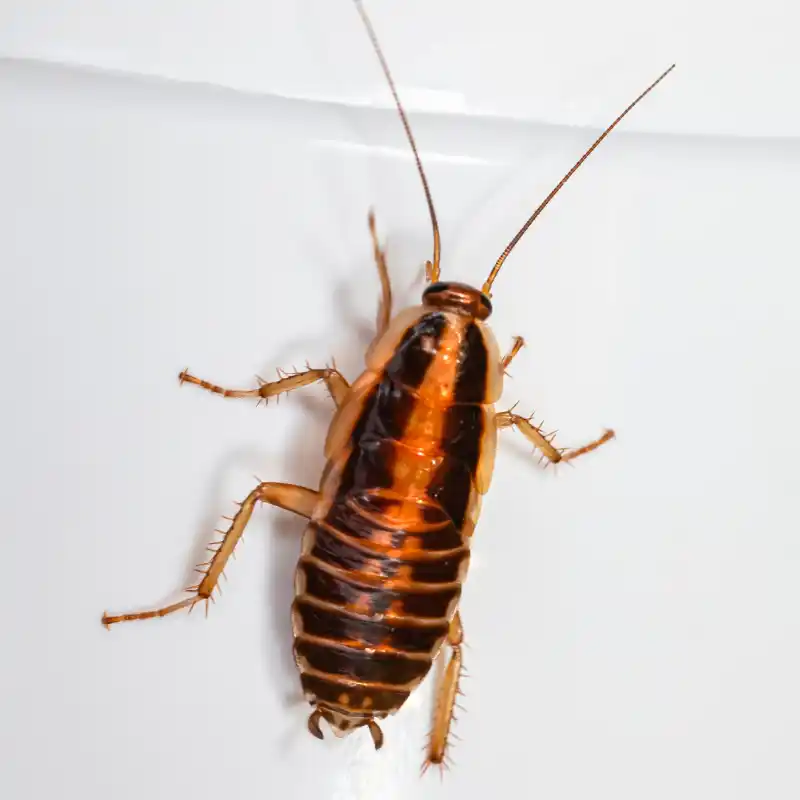
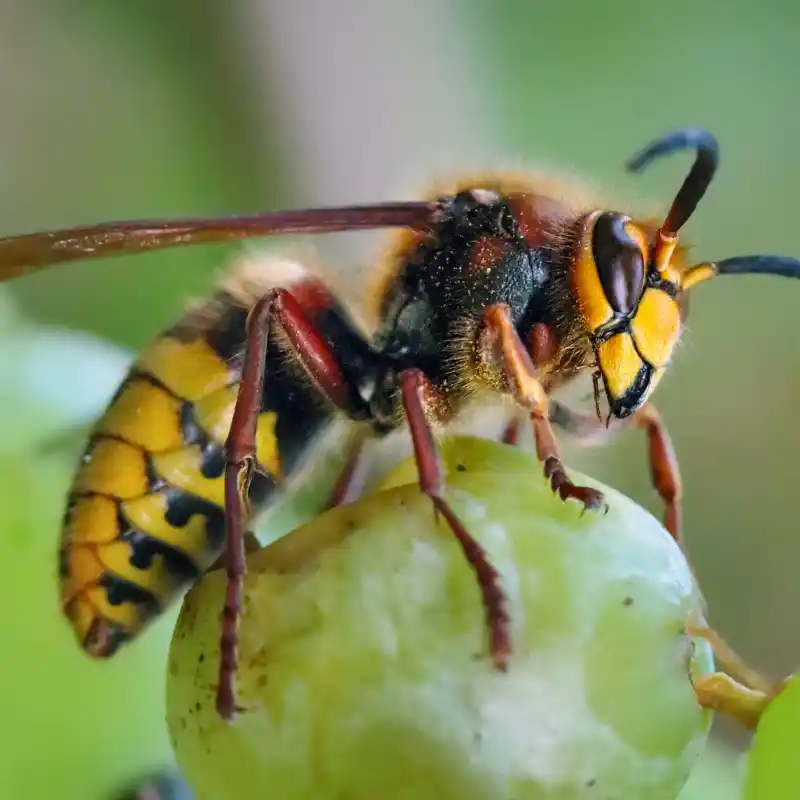
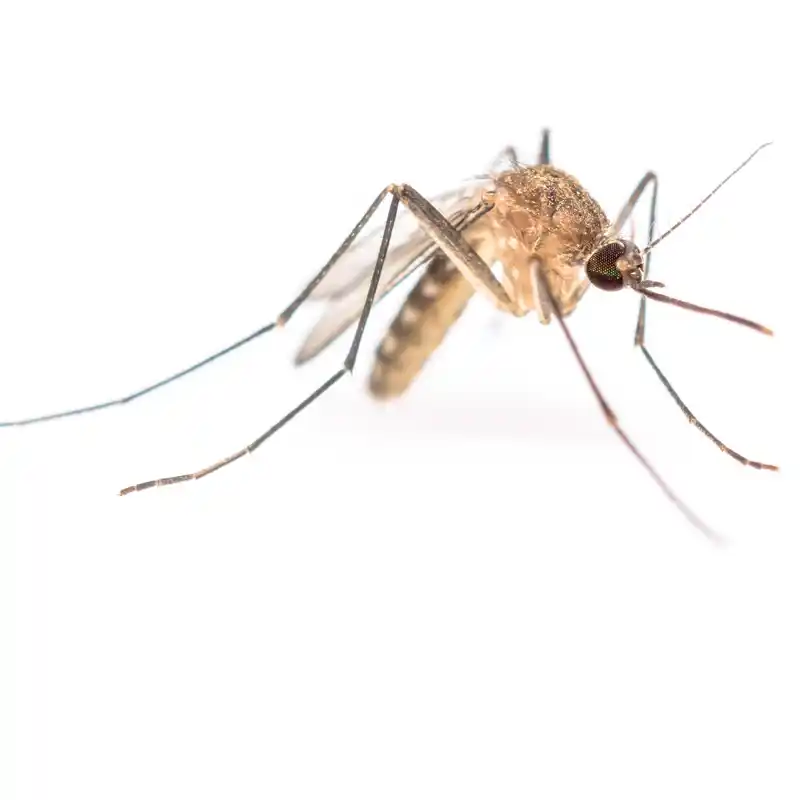
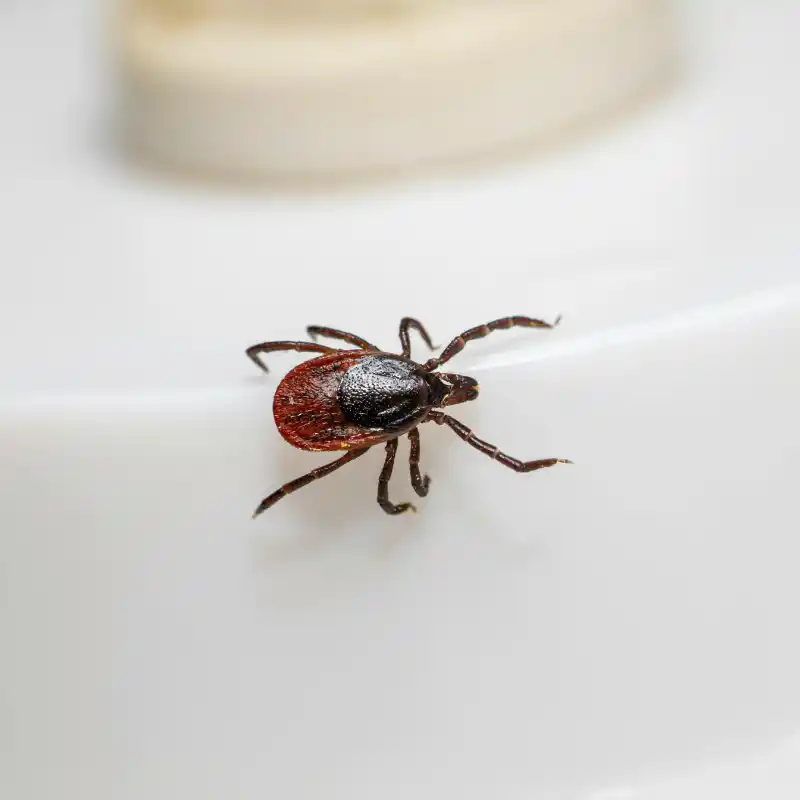

Rodent Control Frankford (Mice & Rats)
Frankford’s rodent problem starts with Mountaire Farms. The DCR runs dedicated grain trains directly to this industrial poultry processing plant in Frankford. Poultry processing generates food waste, grain spillage, and organic material at a scale that sustains Norway rat populations far larger than what any restaurant strip or retail corridor produces. Those industrial-scale rat populations use Frankford’s drainage infrastructure, the dual railroad right-of-way corridors, and utility connections to move into residential neighborhoods throughout the compact town. Surrounding Sussex County grain fields add harvest-season field mouse migration every October when combines move through surrounding corn and soybean operations simultaneously.
The Scale of Frankford's Rat Problem
Most towns this size face rat pressure from food businesses along a commercial strip. Frankford faces rat pressure from an industrial poultry processor served by dedicated freight trains. The difference in scale is significant. Industrial food processing facilities sustain rat populations that standard residential exclusion programs are not sized to address. Properties nearest Mountaire Farms and the converging DCR and MDDE railroad right-of-ways face the highest rat pressure — but Frankford’s compact footprint means no residential block is far from either source.
Our Rodent Control Solution
Delaware Pest Pros — your trusted mice and rat exterminator in Frankford — deploys commercial-scale exterior bait station networks sized for industrial poultry processing adjacency. We seal every entry point along railroad right-of-way-facing foundation perimeters from both converging rail corridors. Pre-harvest exterior exclusion inspections in September address field mouse migration from surrounding Sussex County grain operations. Follow-up visits confirm complete elimination.
Long-Term Rodent Prevention
Our rodent removal in Frankford program monitors industrial poultry processing corridor pressure year-round without seasonal breaks. Rail right-of-way perimeter exclusion is checked annually from both the DCR Indian River Subdivision and MDDE interchange corridor directions. Pre-harvest gap sealing is standard for every field-adjacent Frankford property before surrounding harvest operations begin each fall.
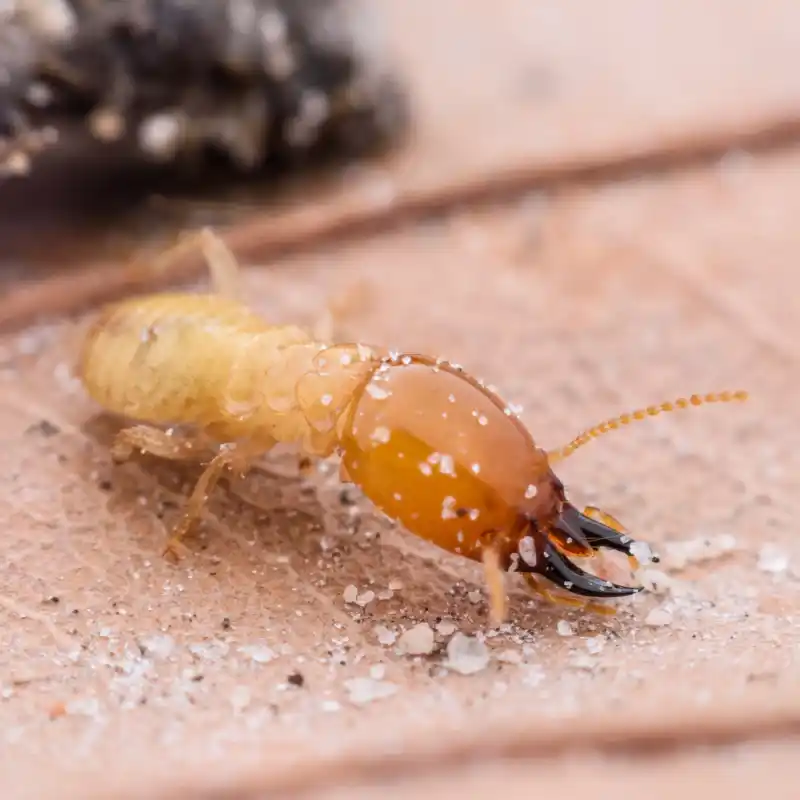
Termite Treatments Frankford
Frankford's termite risk comes from two moisture sources working together. Vines Branch creek — the waterway the town was founded on in 1808 — drains beneath the oldest downtown properties on Main Street and the surrounding historic core. That creek drainage has been accumulating beneath original foundations for over 200 years. Sussex County's humid subtropical climate adds year-round moisture to soil throughout the town regardless of seasonal rainfall. Properties nearest the Vines Branch drainage corridor and the railroad right-of-way low-lying zones face the most elevated soil moisture and the highest subterranean termite colony pressure in the community.
Why Frankford's Soil Stays Wet
Frankford’s Wikipedia page specifically notes its humid subtropical climate with year-round precipitation and mild wet winters. Unlike Kent County inland communities that experience drier summer soil conditions, Frankford’s Sussex County location keeps soil moisture levels elevated through summer drought periods. That persistent moisture combined with 200-year-old downtown foundations that have never had modern vapor barrier protection creates termite conditions that are active longer each year than in drier inland communities.
Inspection to Protection
Our termite inspection in Frankford covers every crawl space sill plate, wood-to-soil contact point, and pier foundation gap throughout the historic downtown. Termite control treatment rates are calibrated for Vines Branch drainage moisture conditions and Sussex County’s year-round humid soil environment. Bait station networks intercept colonies approaching from the creek drainage corridor and railroad right-of-way low-lying zones. Full documentation is provided after every treatment.
Staying Termite-Free
Our termite exterminator in Frankford schedules six-month monitoring for all historic downtown crawl space properties. We assess vapor barrier conditions, Vines Branch drainage grade issues directing moisture toward original foundations, and any new moisture conditions developing in aging downtown properties between treatment cycles.
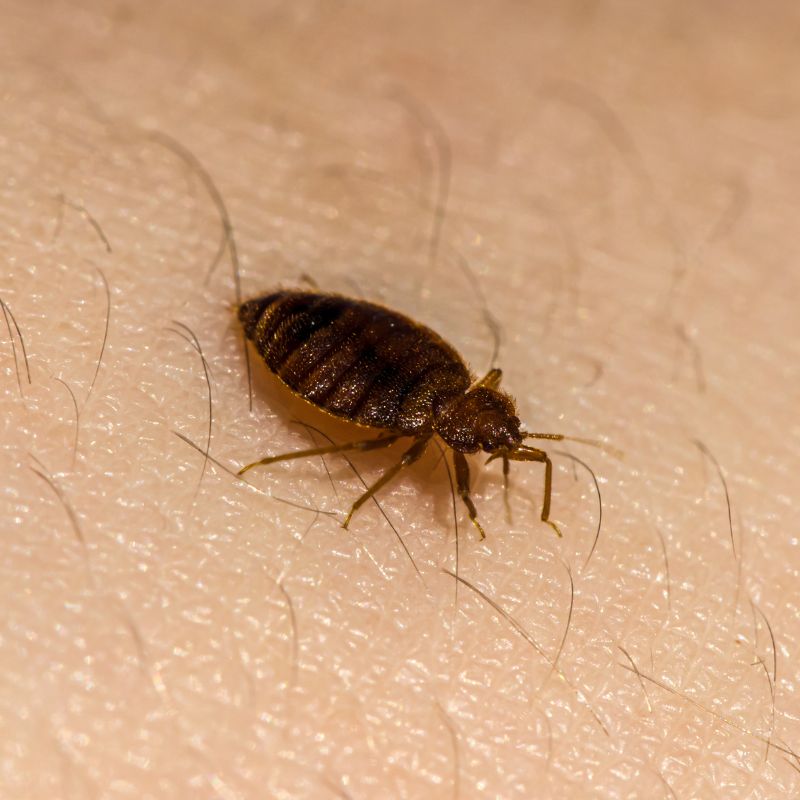
Bed Bug Extermination Frankford
Bed bugs reach Frankford through two overlapping introduction pathways. Route 113's commercial corridor through town serves regional traveler traffic connecting Delaware to Maryland year-round. Accommodations and rental properties along the corridor cycle through guests and tenants regularly. The second pathway is the Bethany Beach resort connection. Frankford sits just 7 miles from Bethany Beach. The resort rental market along Delaware's Sussex County coast operates at high volume from Memorial Day through Labor Day — and that seasonal rental market extends its introduction risk into Frankford's surrounding community through visitor accommodation turnover and second-home traffic throughout the warm season.
Bed Bug Spread in Seaford's Older Rental Housing
Frankford’s historic downtown has original construction going back to the early 1800s. Dense wall voids, original plaster walls, and aging wood framing in the oldest downtown properties create bed bug harborage conditions that are significantly harder to detect and treat than modern construction. Infestations establish deeply inside wall voids in Frankford’s oldest rental properties before any visible activity appears on surfaces.
Heat and Chemical Treatment
Our bed bug exterminator in Frankford uses professional heat treatment to eliminate every bed bug at every life stage in one visit. Heat penetrates original plaster walls, 19th-century framing, and all furnishing harborage regardless of construction age. Chemical residual application follows for extended wall void protection. Same-day availability is standard. A follow-up confirmation visit is always scheduled.
Protecting Frankford's Rental Properties
For rental property owners throughout Frankford’s historic downtown we provide between-tenancy bed bug treatment inspection programs. Pre-occupancy inspection before every incoming tenant. Post-departure assessment after every vacating resident. Full documentation provided for compliance.
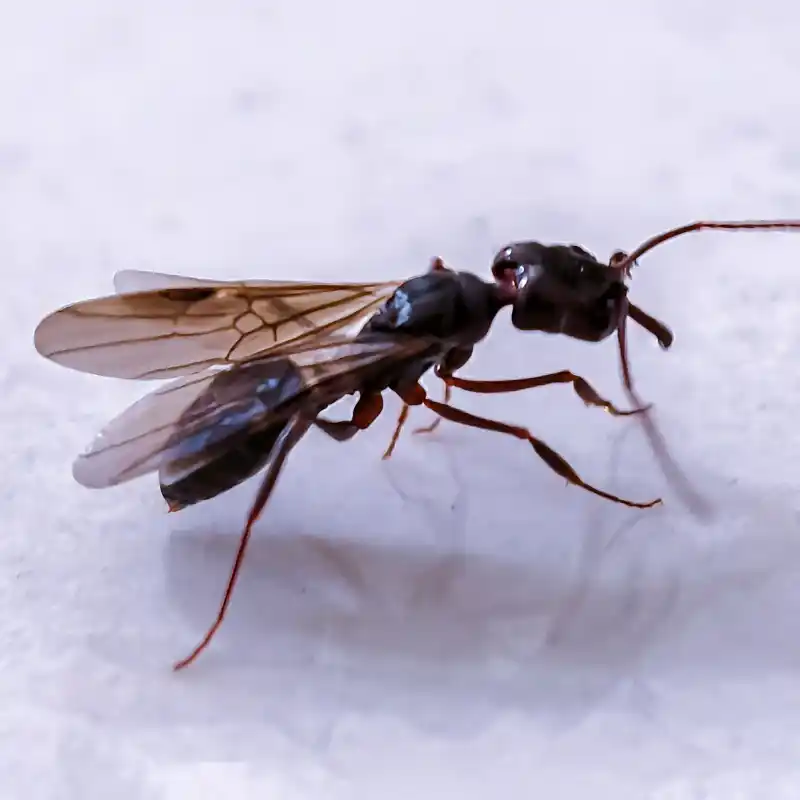
Ant Control Frankford
Carpenter ants and odorous house ants both create consistent problems throughout Frankford. Odorous house ants follow Vines Branch drainage moisture trails into kitchens on the oldest downtown blocks every spring. They appear predictably in historic Main Street properties after wet periods when drainage moisture peaks beneath 200-year-old original foundations. Carpenter ants target the moisture-damaged wood common in Frankford's historic downtown — particularly in crawl space sill plates, porch structures, and exterior trim that has absorbed two centuries of Vines Branch creek drainage moisture. Agricultural woodlots and hedgerows surrounding Frankford from every direction sustain carpenter ant colonies in undisturbed rural timber adjacent to the town's residential perimeter on all sides.
The Threat to Frankford's Oldest Homes
Frankford’s historic downtown properties have original construction that in some cases dates to the early 1800s. Many have crawl space foundations that have never had modern vapor barriers installed. Over 200 years of Vines Branch creek drainage moisture has soaked into original sill plates and floor joists throughout the historic core. Carpenter ant queens find ideal nesting conditions in this persistently damp structural wood. Active galleries in crawl space framing are a consistent finding during professional inspections in Frankford’s oldest downtown residential properties.
Colony Elimination
Our ant control in Frankford uses non-repellent bait systems that eliminate entire colony networks. Worker ants carry bait back to every satellite nest and the primary queen regardless of where colonies are established — inside crawl space framing, wall voids, or agricultural woodlot exterior wood debris along Frankford’s rural perimeter. Exterior perimeter barrier prevents re-entry from surrounding agricultural hedgerow and drainage corridor zones.
Moisture Management
Every carpenter ant exterminator service in Frankford includes a full moisture assessment. We identify failed vapor barriers in historic crawl spaces, drainage grade issues directing Vines Branch creek moisture toward original downtown foundations, and exterior wood conditions on rural perimeter-facing property edges. Correcting those root moisture conditions is the only path to lasting results in Frankford’s 200-year-old historic moisture environment.
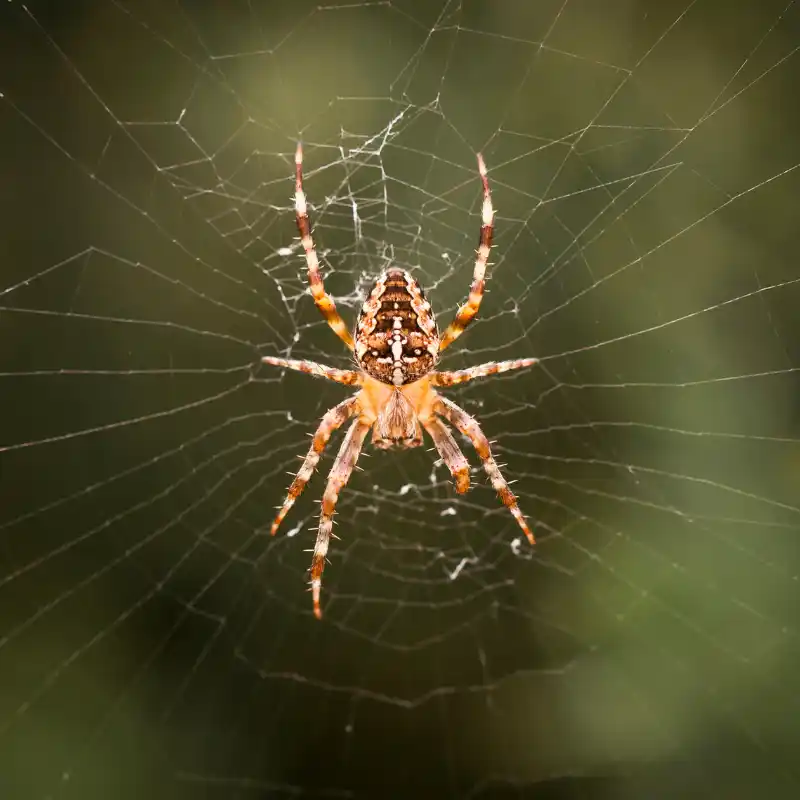
Spider Control Frankford
Frankford's agricultural surround generates flying insect populations that sustain elevated spider activity throughout the residential grid all season. Sussex County grain fields, poultry operations, Bennett Orchards, Salted Vines Vineyard, and active farmland on every approach road into Frankford produce insect emergence at agricultural scale continuously through the warm season. Route 113's commercial lighting pulls additional flying insects into the town's residential zones during summer nights. Frankford's historic downtown crawl spaces and basement utility zones in original 200-year-old construction provide undisturbed interior spider harborage throughout the historic core. Black widows are confirmed in Frankford — particularly in undisturbed original crawl spaces on historic downtown properties nearest the Vines Branch drainage corridor and railroad right-of-way zones.
Agricultural Surroundings Fuel the Problem
Frankford is encircled by active agricultural operations — grain fields, poultry farms, orchards, and vineyards — on every approach road. Agricultural land generates more flying insect activity per acre than any other land use type. Every property in Frankford’s compact footprint sits within easy range of agricultural insect emergence from multiple directions simultaneously. Properties on Frankford’s outer residential edges nearest the agricultural field borders face the highest spider food pressure throughout the season.
Elimination and Barriers
Our spider exterminator in Frankford removes all webs and egg sacs before applying residual treatment. Crack-and-crevice treatment targets original 200-year-old crawl space zones where black widows concentrate on historic downtown and railroad right-of-way-adjacent properties. Exterior perimeter barrier covers all agricultural field-facing foundation perimeters on the town’s outer residential edge.
Year-Round Prevention
Spider removal barrier is reapplied every spring and fall to address continuous agricultural insect emergence from surrounding Sussex County operations. Annual crawl space black widow inspection is standard for all historic downtown properties in our Frankford program.
Cockroach Extermination Frankford
German cockroaches reach Frankford through Route 113's commercial food corridor and through the food processing environment around Mountaire Farms. Commercial food businesses along Route 113 generate standard German cockroach introduction pressure for nearby residential properties. Mountaire Farms' industrial poultry processing environment adds a far more concentrated cockroach pressure source in the immediate vicinity of the facility. American cockroaches present in Frankford's oldest historic downtown properties through aging drain infrastructure beneath 200-year-old original foundations. Original pipe connections beneath Frankford's oldest Main Street properties have deteriorated significantly — creating below-floor entry pathways that surface treatment alone cannot address.
Below-Floor Entry in Old Homes
Frankford’s downtown properties have drain connections that in some cases date to the 1800s. Corroded and cracked original pipe sections create gaps that American cockroaches use to enter basements and kitchens from the municipal drain system below the street. This recurring below-floor entry continues until those pipe connections are sealed. Drain seal assessment is a standard component of every American cockroach service on Frankford’s oldest historic downtown streets.
Breaking the Cockroach Cycle
Our cockroach exterminator in Frankford applies gel bait to every harborage zone — behind appliances, inside cabinet hinges, along pipe chases, and inside dishwasher housings. Insect growth regulator disrupts the breeding cycle completely. American cockroach control in older Frankford properties requires drain seal assessment and below-floor sewer penetration treatment as a standard part of every service. Multiple follow-up visits are included.
Long-Term Prevention
Our cockroach pest control in Frankford includes drain seal condition assessment at every service visit on the historic downtown’s oldest residential streets. Monthly monitoring is recommended for Route 113 food businesses and Mountaire Farms corridor properties with active cockroach history. Sanitation guidance specific to your Frankford property type follows every treatment.
Wasp & Hornet Control Frankford
Wasps and hornets establish aggressively throughout Frankford from late spring through early fall. Agricultural field edges and hedgerows surrounding the town sustain yellow jacket ground colony populations from every approach direction simultaneously. Bennett Orchards' peach and blueberry harvest nearby creates peak-season yellow jacket food abundance — fruit harvest generates the concentrated sugar sources that drive yellow jacket foraging aggression to its seasonal peak from midsummer through September. Salted Vines Vineyard adds grape harvest season yellow jacket pressure from the vineyard environment adjacent to the Frankford area. Frankford's historic downtown architecture creates paper wasp nesting cavities in deteriorating eave sections and aging fascia boards throughout the 19th-century Main Street building stock.
Harvest Season Drives Peak Aggression
Harvest Season Drives Peak Aggression
Bennett Orchards’ peach harvest typically peaks in July and August. Blueberry harvest runs June through August. Yellow jackets forage aggressively for fruit sugar during these harvest periods — concentrating around orchard environments and spreading into adjacent residential zones in search of the same food sources. Properties between Frankford’s residential grid and the surrounding orchard and vineyard operations face the most intense yellow jacket foraging pressure during harvest months. This is a Sussex County agricultural dynamic that communities without nearby fruit operations do not experience at the same intensity.
Safe Nest Removal
Our wasp nest removal in Frankford team handles aerial hornet nests in Main Street historic tree canopy and agricultural woodlot edges using extension pole equipment and full protective gear. Ground nests in agricultural field border zones and hedgerow margins require nighttime dust injection. Paper wasp colonies in deteriorating historic eave gaps on downtown properties receive direct nest saturation. All nest material is removed after knockdown. Same-day wasp control service is available throughout Sussex County.
Seasonal Prevention
Our hornet exterminator in Frankford applies early spring preventive treatment before queens establish in agricultural field border zones, historic architectural eave cavities, and orchard perimeter hedgerow edges. We document every nest location treated each season to build a property-specific prevention map calibrated to Frankford’s orchard and vineyard harvest calendar.
Mosquito Control Frankford
Frankford's mosquito environment is driven by its agricultural drainage infrastructure and the Vines Branch creek drainage corridor through the historic downtown. Agricultural drainage ditches along Route 113 and the surrounding Sussex County field border roads sustain mosquito breeding through dry summer periods independently of rainfall — the same agricultural drainage ditch dynamic seen throughout Kent and Sussex County farming communities. Vines Branch creek's drainage corridor through the historic downtown adds a persistent freshwater breeding source directly beneath the oldest residential zones. Sussex County's humid subtropical climate keeps moisture conditions elevated in low-lying drainage areas longer than drier inland communities — extending the active mosquito breeding season at both ends of the year.
Year-Round Moisture Means a Longer Season
Frankford’s humid subtropical climate with year-round precipitation means mosquito breeding conditions persist through periods that would reduce breeding in drier inland communities. Agricultural drainage ditches sustain standing water through summer droughts. Vines Branch creek keeps low-lying downtown drainage zones wet regardless of seasonal rainfall. Both sources activate earlier in spring and persist later into fall than mosquito sources in purely residential communities without permanent drainage and creek infrastructure adjacent to residential foundations.
Barrier and Larvicide Treatment
Our mosquito treatment in Frankford applies high-volume barrier spray to all resting zones — Vines Branch drainage corridor-adjacent foundation perimeter vegetation on historic downtown properties, agricultural drainage ditch-adjacent perimeter vegetation on outer residential field border properties, and all residential green space throughout the community. Larvicide targets all standing water on the property. Treatments are scheduled every 21 days from late April through October.
Seasonal Protection
Our mosquito exterminator in Frankford program begins in late April when Vines Branch creek drainage and agricultural ditch breeding activates and runs through October. We advise on drainage improvements that reduce mosquito harborage between treatment cycles on both historic downtown creek corridor properties and outer agricultural drainage perimeter properties.
Flea & Tick Treatments Frankford
Frankford's tick exposure comes from its agricultural surround and the wildlife that moves between surrounding farm fields, woodlots, and hedgerows into residential yard perimeters daily. Deer move from surrounding Sussex County grain fields and agricultural woodlots into Frankford's outer residential neighborhoods during dawn and dusk feeding periods year-round. They deposit black-legged ticks in lawn transition zones and unmaintained lot edges throughout residential properties adjacent to the town's agricultural border. Harvest season intensifies the problem. When surrounding corn and soybean fields are cleared in October, deer concentrate along the remaining vegetated field edges and hedgerows adjacent to Frankford's residential perimeter — depositing ticks in concentrated deer movement zones that become more intense as field cover disappears.
Harvest Season Concentrates Tick Risk
Frankford’s outer residential properties face the same harvest-season tick concentration pattern documented throughout Kent and Sussex County agricultural communities. When combines clear surrounding fields in October, deer lose their primary cover. They compress into remaining woodlots and hedgerows adjacent to residential streets. Tick deposition in these concentrated deer corridors intensifies dramatically during October and November. Fall treatment timed to surrounding harvest operations is essential for effective tick protection on Frankford’s field-adjacent outer residential properties.
Complete Home and Yard Treatment
Our flea and tick pest control in Frankford covers all carpet, upholstery, and pet resting areas with insecticide and growth regulator inside the home. Exterior barrier spray focuses on agricultural field edge lawn transition zones, hedgerow border edges, and unmaintained lot vegetation along Frankford’s residential perimeter bordering surrounding Sussex County farm operations.
Long-Term Prevention
Our flea control in Frankford program identifies the specific deer movement corridors and tick questing zones on your property. Outer field-adjacent residential properties need tick barrier along the full agricultural border perimeter. Fall treatment must account for harvest-driven deer displacement events specific to the field operations surrounding your Frankford neighborhood. We build every program around your property’s orientation relative to active surrounding agricultural operations.
The Importance of Pest Exterminator in Frankford, DE
Frankford's pest environment is defined by a combination that no other Sussex County town its size faces. An industrial poultry processor served by dedicated freight trains operating inside the town generates Norway rat pressure at industrial scale. Two converging active freight railroad corridors create rat harborage from two simultaneous directions through the residential grid. Agricultural operations — grain fields, poultry farms, orchards, and vineyards — surround the town from every direction. And 200-year-old downtown foundations have accumulated two centuries of Vines Branch creek drainage moisture in original crawl spaces throughout the entire historic core.
This is not standard rural pest pressure. It is a concentrated combination of industrial food processing, active rail corridor infrastructure, agricultural field surround, and historic construction — all operating simultaneously in a compact Sussex County town of just over 1,200 people.
Frankford's pest calendar follows a consistent pattern:
- March–April: Termite swarm season activates in Vines Branch drainage moisture-soaked historic downtown crawl space foundations. Carpenter ants emerge in damp original sill plates throughout the historic core. Mosquito season opens along the Vines Branch creek corridor and agricultural drainage ditches ahead of drier inland communities.
- May–June: Vines Branch corridor and agricultural drainage ditch mosquito breeding activates. Odorous house ants push into historic Main Street kitchens as spring drainage moisture peaks beneath original foundations. Yellow jacket queens establish in agricultural field edge and hedgerow ground zones surrounding the town perimeter.
- July–August: Bennett Orchards peach and blueberry harvest peaks. Yellow jacket foraging aggression intensifies throughout the residential grid as fruit harvest sugar concentrates in surrounding orchard zones. Mosquito pressure peaks from both creek corridor and agricultural drainage ditch sources simultaneously. Mountaire Farms industrial corridor rat pressure continues year-round.
- September–October: Surrounding Sussex County grain and soybean harvest begins. Field mouse migration toward Frankford's residential perimeter intensifies. Tick activity peaks as harvest removes field cover and concentrates deer along remaining hedgerow corridors adjacent to residential streets. DCR grain trains to Mountaire Farms continue year-round regardless of season.
- November–February: Post-harvest rodent pressure consolidates in historic downtown foundations. Rail corridor and Mountaire Farms industrial rat pressure continues year-round without seasonal reduction. Carpenter ants stay active in persistently wet 200-year-old Vines Branch moisture-soaked crawl space framing through mild Sussex County winters.
Delaware Pest Pros builds every Frankford treatment program around the Mountaire Farms industrial poultry corridor, the dual railroad interchange, the Vines Branch creek drainage, and the Sussex County agricultural surround that defines this historic railroad town's specific pest vulnerability profile.
Our Proven Pest Control Process in Frankford
Step 1: Full Property Inspection
Every Frankford inspection starts with your property's specific position relative to its pest pressure sources. Historic downtown Main Street properties get Vines Branch drainage termite and moisture assessment, old drain pipe American cockroach entry evaluation, and original crawl space black widow inspection. Mountaire Farms and railroad corridor-adjacent properties get industrial-scale Norway rat exclusion assessment calibrated for poultry processing proximity. Outer agricultural field border properties get harvest-season rodent migration vulnerability assessment, drainage ditch mosquito larvicide zone evaluation, and agricultural hedgerow tick corridor review. We never use a generic Sussex County inspection checklist in Frankford's industrial and agricultural pest environment.
Step 2: Targeted Treatment
Every product is selected for Frankford specifically. Rat exclusion programs near Mountaire Farms and the dual rail corridor are sized for industrial poultry processing pressure — not standard residential scale. Termidor is calibrated for Vines Branch creek drainage moisture in historic downtown foundation soil. Pre-harvest exterior bait station deployment is timed to surrounding Sussex County field operations in September. Yellow jacket programs account for Bennett Orchards and Salted Vines harvest-season foraging peak from July through September. Every treatment decision is based on what the inspection found — not a standard Sussex County package.
Step 3: Prevention at the Root
Frankford's most persistent pest problems connect directly to root conditions that surface treatment alone cannot resolve. Historic downtown crawl space vapor barriers need full assessment and replacement — not just termite treatment on top of inadequate moisture management. Mountaire Farms and dual railroad corridor rat pressure requires year-round industrial-scale monitoring without seasonal breaks. Vines Branch drainage grade issues directing creek moisture toward original foundations must be addressed alongside termite and carpenter ant treatment for lasting results. Harvest-season tick programs must account for field-specific deer displacement events in the surrounding Sussex County agricultural calendar.
Step 4: Ongoing Monitoring
Frankford's monitoring schedule follows both the natural creek drainage calendar and the agricultural and industrial operational calendars simultaneously. Termite monitoring every six months for all historic downtown crawl space foundation properties. Pre-harvest rodent exclusion inspections in September before surrounding Sussex County field operations begin. Mosquito treatment beginning in late April when Vines Branch creek and agricultural ditch breeding activates. Tick barrier timed to fall harvest deer displacement along agricultural hedgerow edges. Year-round Mountaire Farms and dual rail corridor rat monitoring without seasonal breaks. We build every schedule around your property's specific position in Frankford's pest environment.

Residential Pest Control in Frankford
Delaware Pest Pros serves every residential property type in Frankford. A 200-year-old historic Main Street property near the Vines Branch creek corridor has completely different pest vulnerabilities than a newer residential property on Frankford's outer agricultural perimeter. We design programs for both.
Historic downtown properties get programs focused on Vines Branch drainage termite protection in 200-year-old crawl space foundations, carpenter ant elimination in moisture-damaged original sill plates and framing, American cockroach sewer infrastructure assessment beneath historic Main Street, and commercial-scale rat exclusion for Mountaire Farms and dual railroad corridor pressure.
Outer perimeter properties bordering agricultural fields get programs focused on harvest-season rodent exclusion, agricultural drainage ditch mosquito barrier, harvest-season yellow jacket management along field edge and hedgerow zones, and fall harvest-timed tick barrier along agricultural border deer movement corridors.
Our residential coverage includes every zone:
- Crawl spaces and foundations — 200-year Vines Branch moisture termite inspection, carpenter ant historic framing treatment, American cockroach drain seal assessment
- Kitchens and bathrooms — German and American cockroach elimination, odorous house ant control
- Exterior and grounds — Mountaire Farms and rail corridor commercial-scale rat station networks, agricultural drainage ditch mosquito barrier, harvest-season tick barrier programs, orchard and vineyard harvest-period yellow jacket management
Commercial Pest Control in Frankford
Frankford's commercial activity concentrates along Route 113 and around the industrial operations in and near town. Food businesses, accommodation properties, and operations near Mountaire Farms and the dual railroad interchange face real pest consequences in Frankford's industrial and agricultural environment.
We serve food businesses along Route 113, accommodation properties serving regional Route 113 traveler traffic, operations near the Mountaire Farms and railroad corridor industrial zone, and multi-unit rental properties throughout the historic downtown.
Our commercial services include:
- Route 113 food businesses and restaurants — German cockroach elimination and rodent control with full HACCP documentation
- Accommodation properties — bed bug inspection and treatment programs for Route 113 traveler traffic turnover
- Industrial corridor adjacent operations — Norway rat exclusion built for Mountaire Farms poultry processing pressure
- Historic downtown rental properties — coordinated bed bug multi-unit inspection and between-tenancy monitoring

Why Choose Our Pest Control in Frankford, DE
Frankford requires pest control expertise that understands what makes this town different from every other Sussex County community its size. A major industrial poultry processor served by dedicated freight trains operates here. Two active freight railroad lines interchange here simultaneously. Vines Branch creek has been draining beneath downtown foundations for 200 years. Sussex County's humid subtropical climate keeps soil wet year-round. And Bennett Orchards and surrounding agricultural operations generate harvest-season pest pressure on a seasonal calendar that standard suburban programs are not designed to address.
Delaware Pest Pros knows that rat control near Mountaire Farms requires commercial-scale exclusion programs — not residential-grade station deployment. We know that termite monitoring in Frankford's historic downtown needs to account for both Vines Branch creek drainage moisture and Sussex County's year-round humid soil conditions simultaneously. We know that yellow jacket programs here need to be timed to Bennett Orchards' peach and blueberry harvest peak — not just to general summer seasonality. We know that tick treatment on Frankford's outer residential perimeter must account for harvest-driven deer displacement events specific to the Sussex County field operations surrounding each property.
That specific Frankford knowledge is what this community needs. That is what we deliver.
Licensed & Certified Technicians — state-licensed exterminators serving Kent and New Castle Counties
Same-Day & Emergency Service — fast response when you need it most
Eco-Friendly Pest Control — EPA-approved, low-toxicity treatments safe for children, pets, and the environment
- Affordable Pest Control in Wilmington — transparent pricing with no hidden fees
- Guaranteed Results — we return at no extra charge if pests come back between visits.
Integrated Pest Management (IPM) — we eliminate pests and the conditions enabling them.
Local Expertise — genuine knowledge of Frankford's Mountaire Farms industrial corridor, dual railroad interchange, Vines Branch creek drainage, and Sussex County agricultural surround.
With Reliable Pest Control Frankford, you can rest assured that your home or business is protected by a professional team that genuinely cares.
Delaware Pest Pros serves all Frankford, DE neighborhoods and surrounding communities.
Our service area covers all of Sussex County. We serve properties near Mountaire Farms, the DCR and MDDE railroad interchange, US Route 113, and the surrounding Sussex County agricultural operations throughout the Frankford area. Nearby Cities We Also Serve:
Customer Testimonials from Frankford
Don't just take our word for it — here's what Frankford homeowners and business owners are saying about Delaware Pest Pros:
Main Street Historic District, Frankford DE (19945)
We have a historic Main Street property near the Vines Branch drainage corridor and had Norway rats entering through foundation gaps near the railroad right-of-way. Delaware Pest Pros immediately understood that Frankford's rat pressure comes from the Mountaire Farms industrial corridor and the dual railroad interchange — not just a food business on a commercial strip. They deployed a commercial-scale station network and sealed every gap along the rail-facing foundation perimeter. First rat-free winter in three years. Best pest control in Frankford.

Agricultural Perimeter Communities, Frankford DE (19945)
Yellow jackets were unbearable every July and August. Delaware Pest Pros explained that Bennett Orchards' peach harvest drives yellow jacket foraging aggression into the surrounding residential area every summer — a dynamic specific to towns near working orchards. They treated the field edge ground nests and applied early spring prevention before queens established. First manageable summer since we moved here. A truly trusted exterminator in Frankford.
Vines Branch Creek Communities, Frankford DE (19945)
Termites were active in our crawl space on a historic downtown property. Delaware Pest Pros found a failed vapor barrier and drainage grade issues directing Vines Branch creek moisture straight toward our original 1880s foundation. They treated the termites and addressed the moisture condition. Two clean monitoring visits confirmed full elimination. They understood our historic construction immediately. Best pest control in Frankford.
Call Today for Pest Control in Frankford, DE
Pests don’t wait. Neither should you. Delaware Pest Pros is Frankford’s most trusted local exterminator in Frankford. We respond the same day you call.
Our pest control in Frankford, DE is backed by a full satisfaction guarantee. If pests return between visits, we come back at no extra charge. We serve every neighborhood — from 200-year-old historic Main Street properties near the Vines Branch creek corridor to newer residential homes on Frankford’s outer agricultural and orchard perimeter.
Don’t let a pest problem become a property crisis. Call your local exterminator in Frankford today.
Same-Day Service. Guaranteed Results. Local Experts You Can Trust.
Frequently Asked Questions About Pest Control in Frankford
1. What does pest control cost in Frankford, DE?
Cost depends on pest type, property size, and your property's position relative to Frankford's pest pressure sources. Properties near Mountaire Farms and the dual railroad interchange require commercial-scale rat exclusion programs rather than standard residential deployment. Historic downtown crawl space properties require more comprehensive termite and moisture assessment given 200-year Vines Branch drainage conditions. A one-time general treatment ranges from $150–$300. Termite and bed bug services are priced by property size after a free inspection. Transparent quotes before any work begins. No hidden fees.
2. How often should pest control be done in Frankford?
Quarterly service is the minimum for most Frankford properties. Historic downtown crawl space properties near the Vines Branch drainage corridor need six-month termite monitoring given persistent creek moisture accumulation in original sill plates. Mountaire Farms and railroad corridor-adjacent properties need year-round rat monitoring without seasonal breaks. Mosquito treatment should begin in late April and continue through October. Pre-harvest rodent exclusion inspections in September are essential for all outer agricultural perimeter properties.
3. Are your treatments safe for pets and kids?
Yes. Every product is EPA-approved and selected for low toxicity. We are especially careful in Frankford's historic downtown environment and near agricultural operations surrounding the town. Re-entry guidance is provided after every treatment and we answer every product question before we apply anything.
4. Do you offer same-day emergency pest control in Frankford?
Yes. We maintain same-day availability throughout Frankford and all of Sussex County. Mountaire Farms corridor rat emergencies, harvest-season rodent migration events, and orchard-season yellow jacket nest emergencies all qualify for same-day response. Call before noon and a licensed technician arrives the same day in most cases.
5. Which pests are most common in Frankford, DE?
Frankford's most significant pressures are Norway rats from the Mountaire Farms industrial poultry processing corridor and dual DCR and MDDE railroad interchange right-of-ways, subterranean termites in 200-year Vines Branch drainage moisture-soaked historic downtown crawl space foundations, yellow jackets during Bennett Orchards peach and blueberry harvest season, harvest-season field mouse migration from surrounding Sussex County grain operations, and black-legged ticks from deer moving between surrounding agricultural field edges and Frankford's residential perimeter.